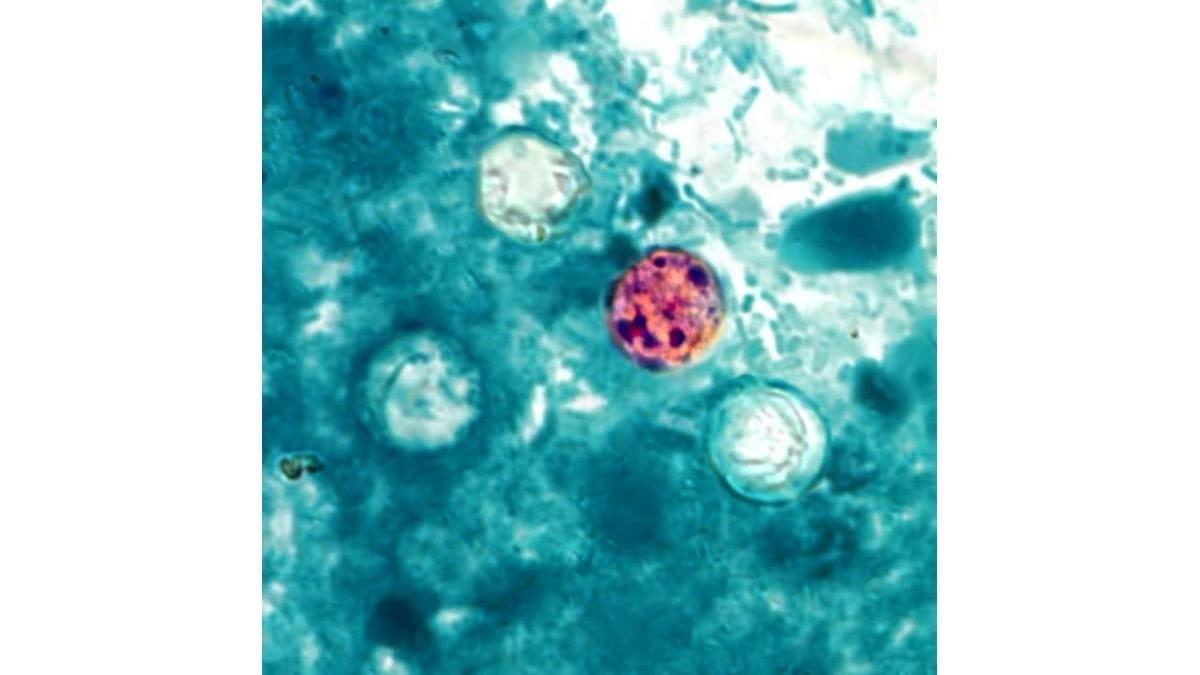
The Arkansas Department of Health (ADH) has confirmed new cases of cyclosporiasis, an intestinal illness caused by the microscopic parasite *Cyclospora cayetanensis*, in Baxter County. This marks the first time cases have been reported in the north-central Arkansas county.
As of Friday, state health officials have identified 237 cases of the illness statewide, an increase of 32 cases since Tuesday. Benton County in northwest Arkansas continues to report the highest number of infections with 144 cases. Boone County, located nearby, has logged 19 cases, ranking it third in the state. Other north-central counties, including Marion, Newton, and Searcy, also report cases, though fewer than 10 in each.
Cyclospora infections are typically contracted by consuming food or water contaminated with the parasite. Symptoms often include watery diarrhea accompanied by frequent and sometimes explosive bowel movements. In many cases, symptoms may subside and then return. Most people with healthy immune systems recover without treatment, though illness can persist for several days to over a month if untreated. Those with weakened immune systems may face a heightened risk of severe symptoms or prolonged illness.
Medical treatment for cyclosporiasis typically involves the antibiotic trimethoprim-sulfamethoxazole. Health officials also recommend resting and staying hydrated to manage symptoms.
ADH has linked this increase in Arkansas cases to a multistate outbreak and noted that cyclosporiasis cases tend to rise during spring and summer months. The agency urges residents to practice safe food and water handling to reduce the risk of infection. Preventive steps include thoroughly washing fruits and vegetables under running water before consumption, cutting away damaged or bruised areas, and refrigerating produce within two hours of preparation.
ADH encourages anyone experiencing symptoms to contact their healthcare provider promptly for assessment and care. Further updates on the outbreak, as well as guidance on prevention, are available on the Arkansas Department of Health website or through local healthcare resources.