A federal judge has dismissed part of a lawsuit challenging Arkansas’ ban on “indoctrination” in public schools, while ordering further analysis of whether the statute is unconstitutionally vague.
The ruling, issued Wednesday by U.S. District Judge Lee Rudofsky, addresses a provision within the controversial LEARNS Act, a sweeping education law enacted under Gov. Sarah Huckabee Sanders. Section 16 of the legislation prohibits what the law broadly describes as “indoctrination” in Arkansas classrooms. The lawsuit, filed in March 2024 by the Arkansas State Conference NAACP and other plaintiffs, argues that this section violates constitutional protections under the Equal Protection Clause and due process rights.
In his 28-page decision, Rudofsky dismissed the NAACP’s claim that the Arkansas Department of Education’s removal of an Advanced Placement African American Studies pilot course from its 2023-2024 approved course list constituted intentional racial discrimination. He stated the evidence presented failed to establish a plausible argument that Education Secretary Jacob Oliva acted with discriminatory intent when revoking the course’s approval.
Rudofsky underscored this point by referencing statements made by the plaintiffs, which suggested the revocation was driven by the governor’s opposition to a perceived “left-wing political agenda” in schools. “A desire to protect students from ‘left-wing indoctrination’ is not tantamount to a discriminatory intent or purpose to adversely impact African American students. End of story,” Rudofsky wrote.
He further clarified that the Equal Protection Clause does not shield ideas or courses from discrimination. “Because there is no such thing as a ‘black idea’ or a ‘white idea,’ discriminating against ideas cannot in and of itself violate the Equal Protection Clause,” the ruling stated.
Attorney Mike Laux, representing the plaintiffs, said the outcome was not unexpected. “We respectfully disagree with the Court and still believe the LEARNS Act disproportionately impacts Black students in Arkansas. We will continue to fight for these students, especially in regard to Plaintiffs’ vagueness due process claim which remains viable,” Laux stated.
Arkansas Attorney General’s Office spokesperson Jeff LeMaster hailed the ruling, saying, “The court correctly dismissed the plaintiffs’ equal protection claims, and we look forward to continuing to defend the LEARNS Act as the case proceeds.”
Judge Rudofsky, however, stopped short of dismissing the entire lawsuit, retaining the plaintiffs’ challenge that Section 16 may be so vaguely worded as to infringe on teachers’ due process rights. Teachers challenging the law have argued it has created significant uncertainty in their classrooms, leading to self-censorship to avoid potential disciplinary action.
Rudofsky noted the plausibility that teachers reasonably feared enforcement of the statute at one time. However, he questioned whether such fears remain credible, as there has been little mention of actual disciplinary measures tied to the provision. Defendants were ordered to file briefs addressing these arguments by August 26, while plaintiffs will have 21 days to respond.
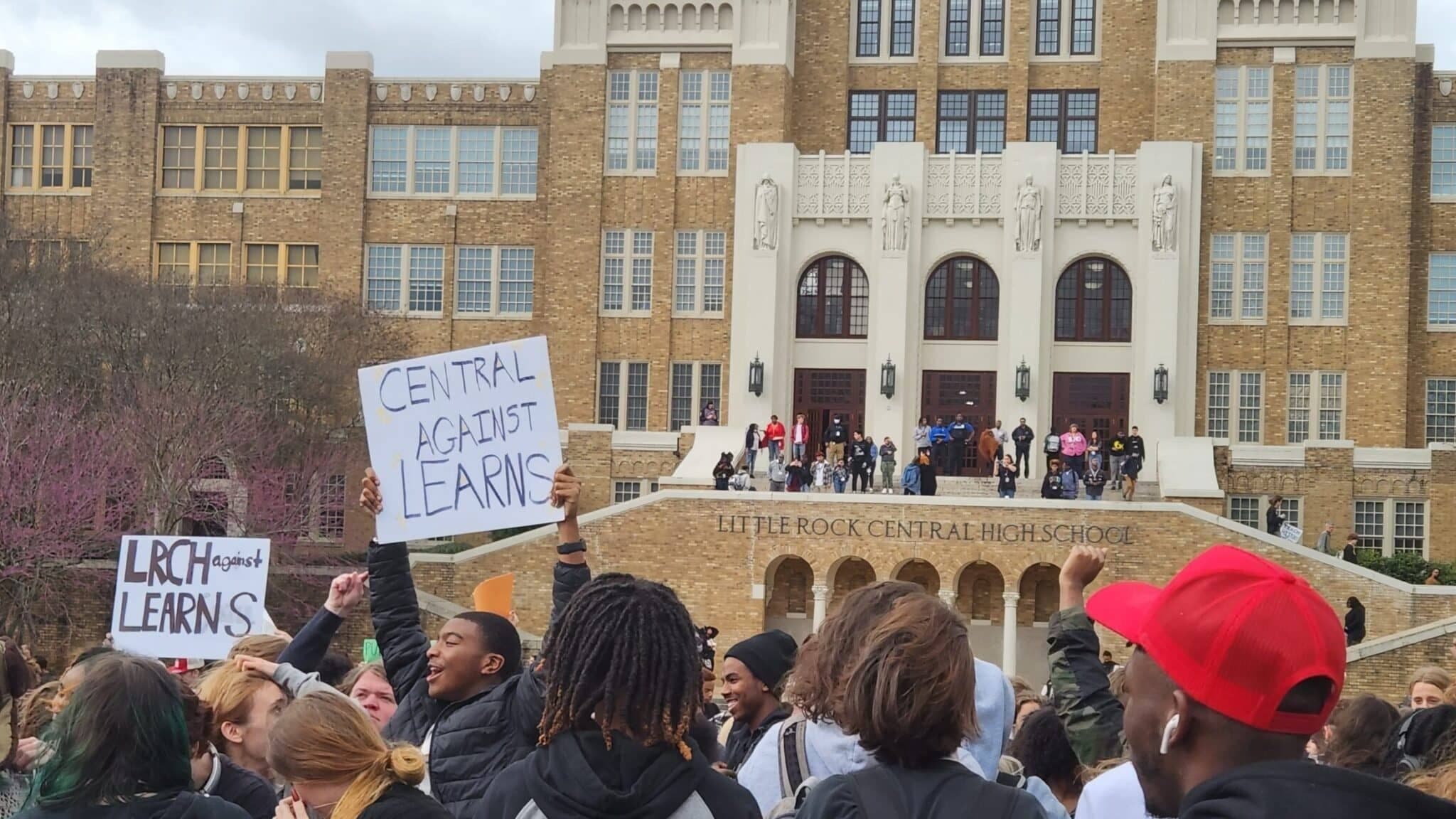
The lawsuit was initiated by several teachers, parents, and students at Little Rock Central High School, historically significant as the site of the 1957 desegregation crisis. Lead plaintiff Ruthie Walls, a Central High teacher, has voiced concern over the law’s potential to restrict educational freedom and stifle honest discussions on race in her classroom.
The LEARNS Act is part of a broader national trend among Republican-led states to impose restrictions on how race-related topics are taught in public schools. Critical Race Theory, frequently referenced in such legislation, is an academic framework often mischaracterized as a core part of K-12 curricula.
The case now proceeds in federal court as both sides prepare arguments on the unresolved constitutional questions.