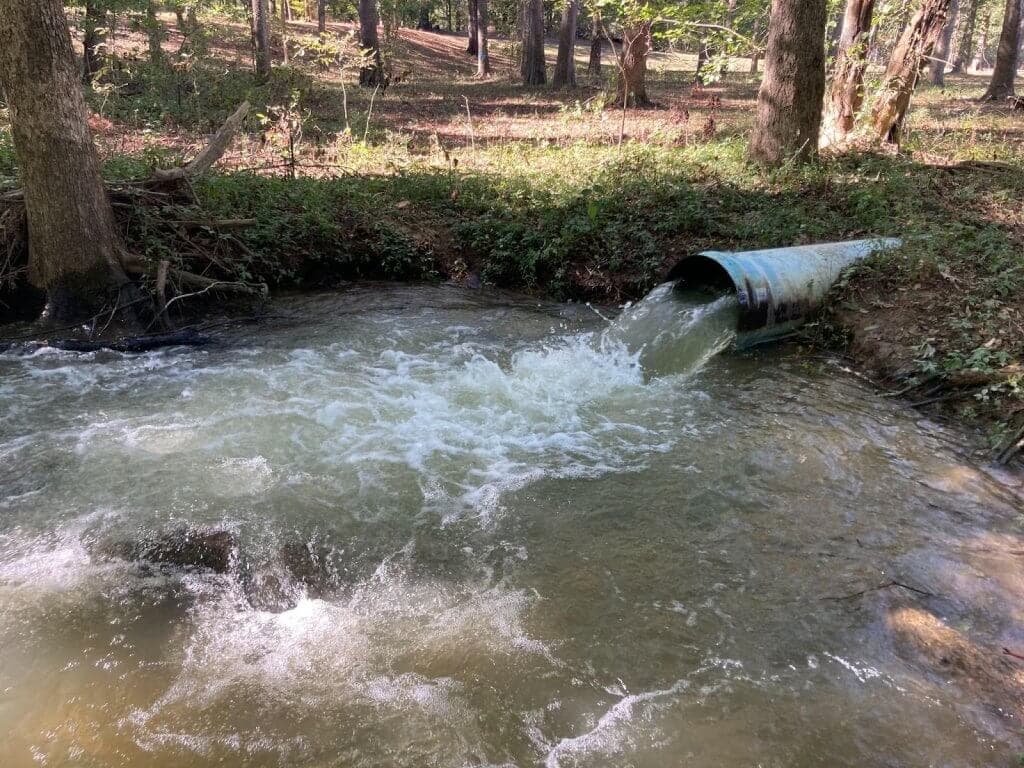
As Arkansas nears the start of duck season, water levels—or the lack thereof—have become a popular topic of discussion across the state. Hunters preparing for the season’s opening weekend can now use a resource from the Arkansas Game and Fish Commission (AGFC) to help plan their outings.
The AGFC’s Wetland Management page, located at www.agfc.com/wetlandmanagement, provides information on water conditions in public hunting areas. Hunters can access operational plans and updates for the state's moist-soil units and greentree reservoirs (GTRs), two critical types of wetland habitats that attract waterfowl.
“The spreadsheets don’t paint the entire picture of exact areas that may or may not have water, but they will give hunters an overview of conditions as we head into duck season,” said David Luker, assistant chief of wildlife management for the AGFC. The page not only lists past and planned management activities for these areas but also provides weekly updates on water levels, seed production for waterfowl food sources, and links to available water-level gauges.
The site is designed to offer more than just data. Luker noted that the spreadsheets are organized to separate huntable moist-soil units, rest areas, and GTR hunting zones. This organization helps hunters identify accessible areas while also learning about wetland habitats adjacent to their preferred hunting spots.
The state’s first segment of the regular duck hunting season runs from Nov. 21 through Nov. 29. The season will reopen for additional segments on Dec. 10–23 and Dec. 26–Jan. 31. Hunters statewide are allowed a daily bag limit of six ducks, which may include no more than four mallards (with a maximum of two hens), three pintails, three wood ducks, two black ducks, two redheads, two canvasbacks, one mottled duck, and one scaup.
For complete regulations and additional details, hunters are encouraged to review the 2026-27 Arkansas Waterfowl Hunting Guidebook, available for download at www.agfc.com/guidebooks.