Arkansas families can expect to spend a little more on Thanksgiving dinner this year, according to the Arkansas Farm Bureau’s annual grocery price survey. The cost of a traditional meal for 10 people averages $58.34, or about $5.83 per person, an increase of 2.76% from last year’s $56.77. Despite the uptick, this year’s total is markedly lower than the $71.29 recorded in 2024 and a record $72.21 in 2023—declines of approximately 18% and 19%, respectively.
The survey, conducted by members of the Arkansas Farm Bureau Women’s Leadership Committee, checked prices at grocery stores across the state between Nov. 1 and Nov. 5. Participants recorded the best in-store prices for a 15-item menu that includes turkey, ham, side dishes, and desserts. While not a scientific study, the survey provides a snapshot of actual grocery prices in Arkansas, Farm Bureau said in its report.
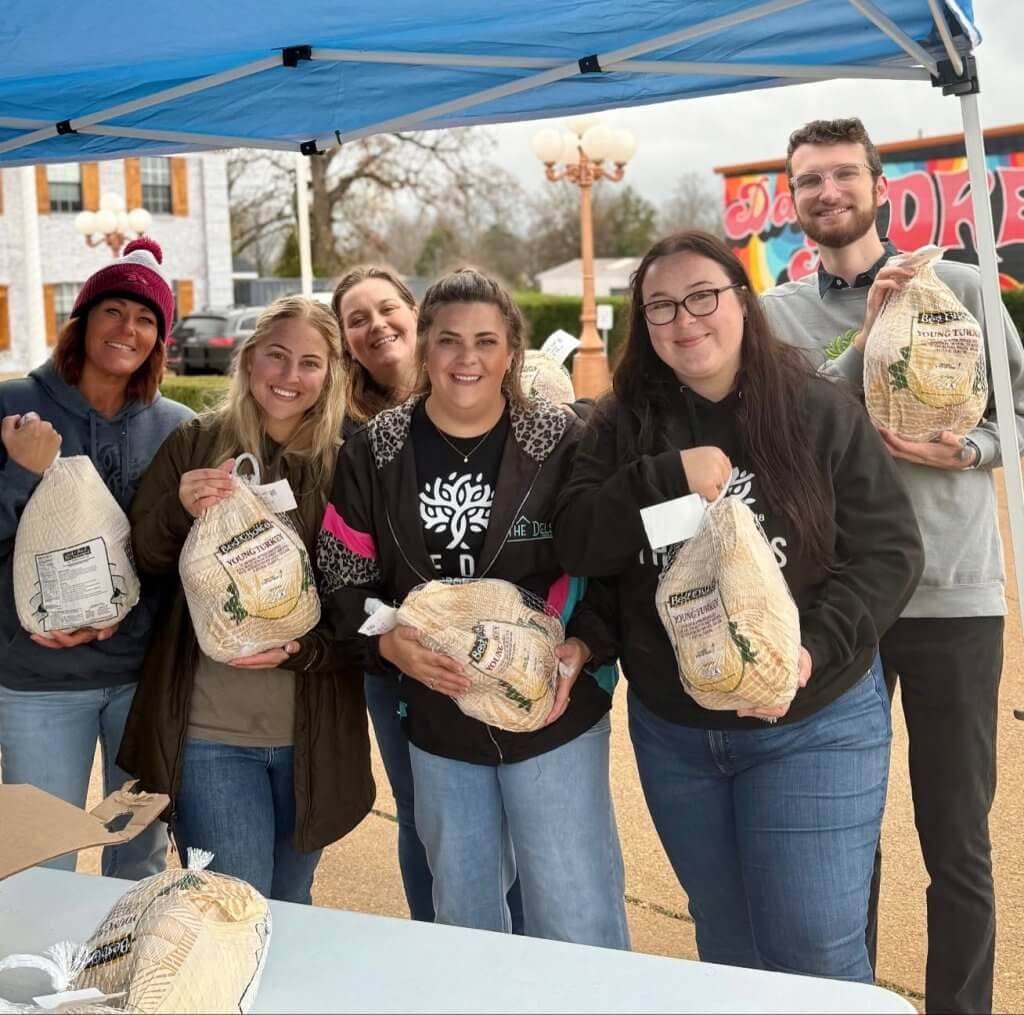
A 16-pound turkey saw the steepest price increase this year, averaging $16.14, or $1.01 per pound, up 14% from $14.10 last year. Sweet potatoes and dinner rolls experienced even sharper jumps, with the cost of a dozen rolls doubling from $1.68 to $3.42 (a 104% increase) and 3 pounds of sweet potatoes rising 46% from $2.40 to $3.50. The Farm Bureau attributed sweet potato price hikes to reduced yields caused by drought and storms in North Carolina, which produces 60% of the U.S. sweet potato supply. Rising supply chain costs for packaging, fuel, and labor contributed to the higher cost of baked goods, including rolls.
In contrast, the price of bone-in ham dropped. A 4-pound half ham now averages $11.01, down 22% from $14.07 last year. According to the Farm Bureau, heavier hogs and a 1% increase in U.S. pork production have driven down live hog prices by 11%, enabling retailers to lower prices at the meat counter.
Where Arkansans shop also plays a significant role in how much they spend. Meal totals ranged from $52.44 at some stores in Pulaski and Faulkner counties to $72.49 at other Faulkner County grocery outlets.
Arkansas saw a smaller percentage increase in meal costs compared to the national average. The American Farm Bureau Federation reported a 6% increase, with its classic Thanksgiving dinner for 10 priced at $58.63 nationwide. The Arkansas survey, however, includes a broader menu, factoring in items like ham, russet potatoes, and green beans, in addition to turkey and traditional sides. Arkansas shoppers are also benefiting from lower turkey prices, with a 16-pound frozen turkey averaging $23.68 nationally, nearly $7.50 more than in Arkansas.
Economic pressures continue to shape grocery prices. According to the American Farm Bureau Federation, higher costs across the supply chain—spanning fuel, record diesel prices, fertilizer, and labor—have contributed to price increases. However, farmers receive less than six cents of every dollar spent on food, according to U.S. Department of Agriculture data.
Other costs related to the holiday season are also on the rise. Arkansas drivers paid an average of $3.37 per gallon of regular gas on Nov. 19, according to AAA. While down 18 cents from the previous week, gas prices are 72 cents higher than during the same period last year. Flight costs are climbing, with round-trip domestic flights averaging $800, up 17%. AAA anticipates 81.5 million Americans will travel over Thanksgiving, a marginal 0.1% drop that would end three consecutive years of record travel totals.
Some relief for Arkansas shoppers has come from the state’s elimination of its 0.125% grocery sales tax on Jan. 1, making this the first Thanksgiving without the tax. However, city and county taxes still apply, saving shoppers only an estimated 7 cents on the average Farm Bureau meal.
For many Arkansans, food insecurity remains a central concern. Federal data cited by the Arkansas Hunger Relief Alliance shows that 19.4% of households in the state were food insecure between 2022 and 2024, the highest rate in the nation. The national average during the same period was 13.7%.
Both Arkansas Farm Bureau officials and economists such as Michael Pakko of the Arkansas Economic Development Institute at the University of Arkansas at Little Rock recommend shopping around for weekly promotions and in-store specials to ease the burden of rising prices. "People who shop around a little bit can probably find better prices," Pakko told KAIT in Jonesboro.