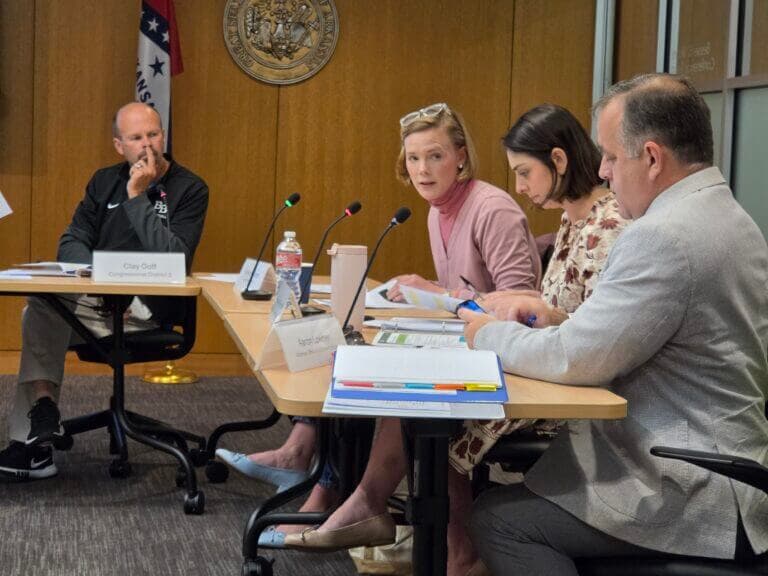
The Arkansas State Library Board has revised a set of proposed rules linking public library funding to restrictions on minors’ access to certain materials deemed “sexually explicit.” The updated draft, which makes changes following public concerns, is now open for a third round of public feedback on the Arkansas Department of Education website until December 13.
The board had initially approved the draft rules in August, which would have required libraries to take “all reasonable steps” to segregate materials depicting sexual contact and prevent patrons under 16 from checking them out. However, during its meeting on November 13, the board expunged the vote by a narrow 3-2 margin and amended the rules to clarify that encyclopedias and fine art are excluded from these restrictions. Board member Jack Fortner, a former state lawmaker from Yellville, opposed the amendments, arguing they would make the rules too vague to enforce.
Librarians and parents voiced concerns during the meeting about the feasibility and implications of the rules. Allie Gosselink, executive director of the Calhoun County Library, stated that many libraries lack the physical space to separate books potentially deemed inappropriate and warned that the regulations could block access to age-appropriate educational materials. PEN America, a national advocacy group for freedom of reading, also criticized the proposed rules. “This policy sends a fundamental message to children and teens that it does not trust them to be curious or interested in reading freely,” said Madison Markham, coordinator of PEN America’s Freedom to Read program.
The backdrop of the discussion stems in part from Act 372 of 2023, which imposes criminal penalties for providing content considered “harmful to minors” and allows community challenges to library materials. While the proposed library rules rely on a federal definition of sexual content, Act 372 incorporates criteria like “patently offensive” depictions or content lacking literary, political, or educational value. Library directors urged the board to consider established legal standards, such as the Miller test for obscenity, to guide decision-making.
Under the revised proposal, children 11 and older could access some educational materials about puberty with parental consent. However, some parents, like Abbigail Getty of Cabot, criticized the age restrictions, arguing they would come too late for many children experiencing significant life changes like menstruation. Meanwhile, others raised practical concerns about the burden on library staff to comply with the new rules.
Questions also arose about how state-level policies would interface with Act 372’s provisions. Arkansas Assistant Attorney General Aaron Lowrey stated that local disputes or court cases concerning Act 372 are outside the State Library Board’s jurisdiction. Vice Chair Sydney McKenzie suggested offering clearer guidance to libraries confronting book challenges to ensure uniformity.
Multiple library leaders emphasized their preference for the board to focus on broader safety concerns instead of regulating materials. Misty Hawkins, executive director of the Arkansas River Valley Regional Library System, questioned why resources were not being directed toward library safety training to better protect staff and patrons facing potential legal risks.
The latest revisions to the library funding rules will remain open for public input through mid-December as libraries, families, and advocates continue to monitor the evolving debate over access to materials in Arkansas.