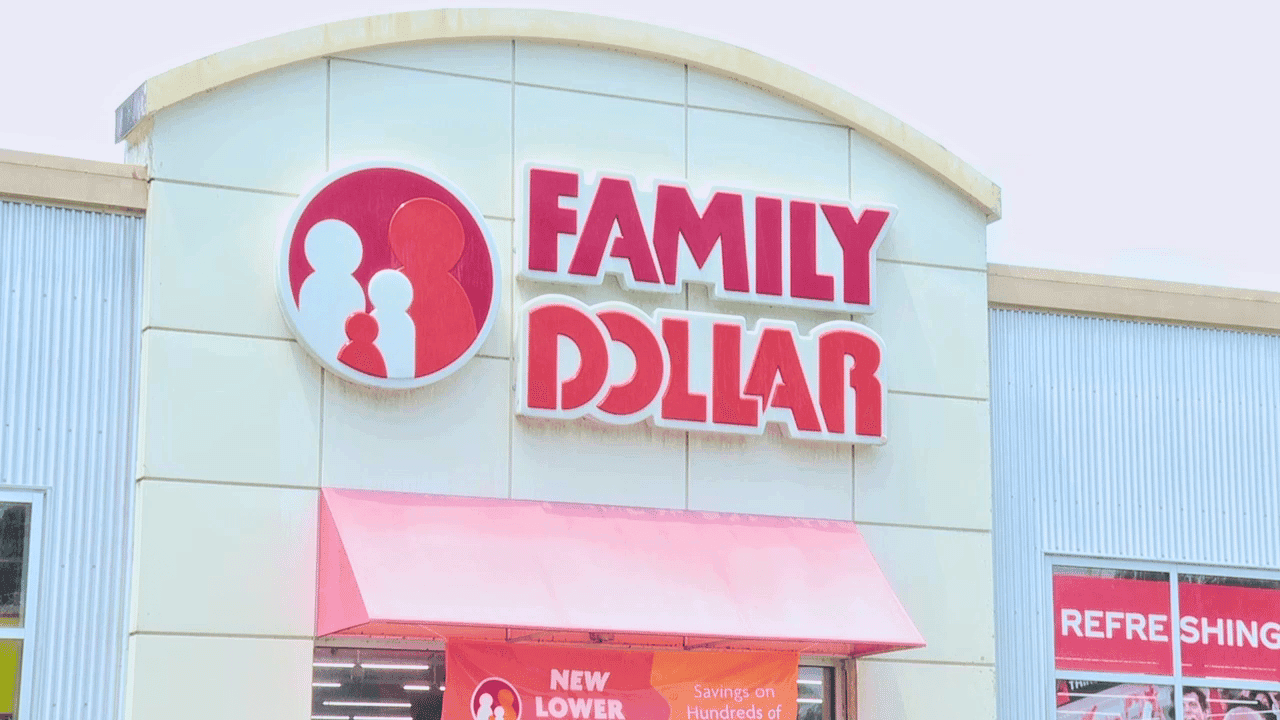
Family Dollar has agreed to pay $63 million to resolve allegations from the Federal Trade Commission and 17 states, including Arkansas, that it charged customers more at the register than the prices listed on shelves, tags, or advertisements.
A complaint filed against the retail chain accuses it of overcharging shoppers in thousands of stores nationwide, including those in low-income areas with limited access to full-service grocery stores. Regulators say Family Dollar disregarded warnings to address pricing errors, which led to recurring discrepancies between displayed prices and amounts charged at checkout.
According to the FTC, state inspections confirmed widespread inaccuracies in price labeling across Family Dollar stores. Over the past five years, state and local regulators cited the business for thousands of violations, issuing fines exceeding $3 million. In addition, Family Dollar reportedly settled with state attorneys general and consumer protection agencies in recent years, paying more than $800,000 in penalties for pricing issues.
The complaint also alleges that the retailer’s pricing issues extended beyond physical stores. Family Dollar was accused of charging higher prices at the register than those displayed on its website and mobile app. Further, customers reported consistent problems with the store’s Smart Coupons program, claiming that technical issues prevented them from accessing or redeeming promised discounts. Internal company records indicate that these complaints have been ongoing for six years.
As part of the settlement, Family Dollar agreed to several measures aimed at improving its pricing practices. The company must establish a $40 million consumer redress fund to refund eligible customers, a $20 million customer discount program, and pay over $3 million to participating states. Additionally, Family Dollar must implement a pricing accuracy program that will undergo independent assessments and annual certifications.
The retailer is also required to notify consumers about their eligibility for compensation by clearly posting notices in stores and on its digital platforms.
This settlement reflects increasing scrutiny from regulators who aim to ensure fair pricing practices, especially in communities with limited retail options.