With deer season fast approaching, Arkansas hunters are preparing to harvest and process their game. Properly handling, butchering, and storing deer meat is essential to maintaining its quality and ensuring food safety. Venison, prized for its lean and flavorful profile, can provide nutritious meals for months with the right preparation.
### Field Dressing: The First Step Immediately after harvesting, hunters should field dress the deer to begin the cooling process and reduce the risk of bacterial growth. Arkansas game officials recommend completing this step as soon as possible. A sharp knife and clean gloves are necessary, and care should be taken to avoid puncturing the stomach, intestines, or bladder. Such punctures can lead to contamination; if this occurs, the affected area should be carefully cleaned. Officials caution against using a hose to spray the carcass, as water can spread bacteria further.
### Skinning and Maintaining Cleanliness Skinning is often easier while the carcass is still warm. Hanging the deer by its hind legs can assist with access. Hunters should ensure a clean environment, such as using a tarp or table to keep meat away from dirt and debris. Short and controlled strokes of a clean knife help prevent damage to the meat and reduce exposure to contaminants like hair or dirt.
### Cooling and Aging After dressing and skinning, cooling the venison quickly is critical. Meat left at temperatures above 40°F can harbor bacteria. Quartering the deer can speed cooling, particularly when stored in iced coolers. For hunters preferring aged venison, refrigeration between 34°F and 40°F is essential. Without proper temperature control, it’s safer to skip aging and proceed to immediate processing.
### Breaking Down the Meat Different cuts of venison lend themselves to various preparations. Backstraps, tenderloins, shoulders, ribs, hindquarters, neck, and shanks all offer unique culinary possibilities, ranging from grilling and pan-searing to slow cooking and braising. Separating muscle groups along their natural seams can maximize usable meat.
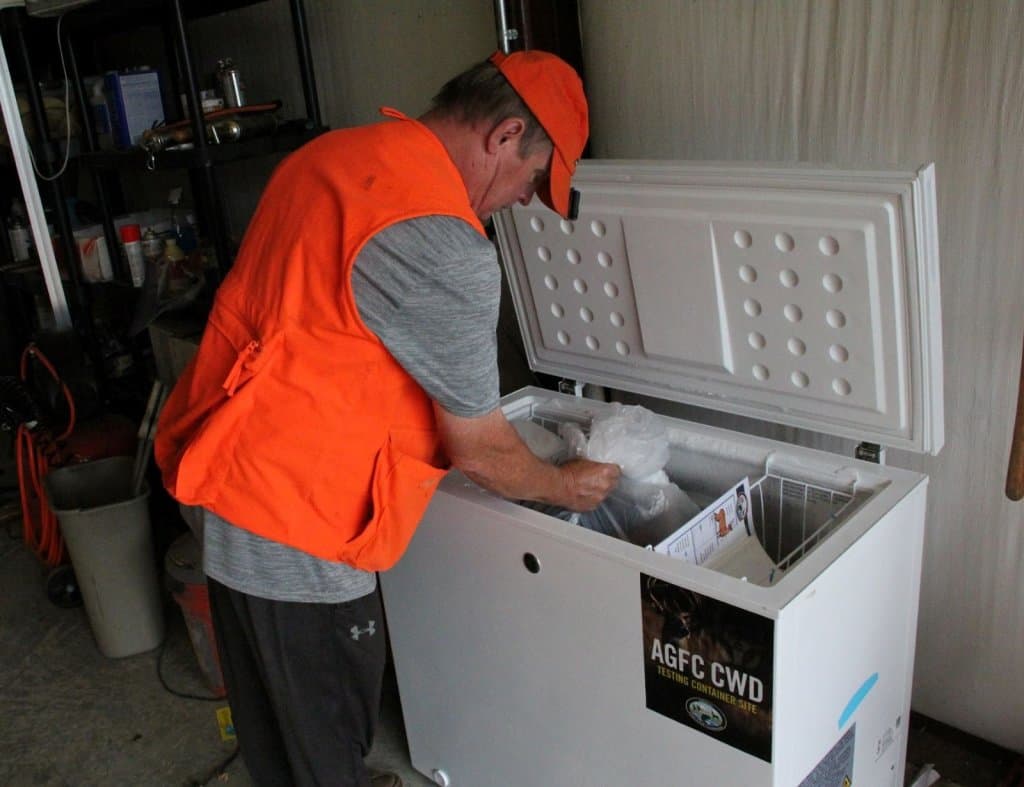
### Packaging and Freezing Before freezing, any excess connective tissue and silver skin should be trimmed to improve flavor. Dividing venison into meal-sized portions, such as steaks, ground meat, or roasts, simplifies meal preparation later. Vacuum sealing is highly recommended to protect against freezer burn, but hunters can also use quality freezer paper or bags. Be sure to label each package with the cut and date. Frozen venison maintains its best quality for approximately nine to twelve months.
### Preparing Venison at Home Due to its leanness, venison can dry out if overcooked. Tender cuts like backstraps and tenderloins are ideal for grilling, roasting, or quick searing. Tougher cuts, such as shoulders and shanks, benefit from slow cooking or braising. Ground venison works well in familiar dishes like chili, burgers, and tacos. Adding a small amount of beef fat may help improve moisture in ground recipes. Doneness should always be confirmed with a food thermometer: whole cuts should reach 145°F followed by a three-minute rest, while ground venison must reach 160°F.
### Best Practices for Food Safety Maintaining cleanliness is crucial throughout processing. Hunters should wash hands, clean equipment regularly, and sanitize surfaces thoroughly. Keeping raw venison separate from ready-to-eat foods and promptly refrigerating or freezing meat minimizes contamination risks.
### Preparing for the Hunt Deer hunting in Arkansas provides more than just a pastime; it offers hunters a sustainable way to fill their freezers. As this season approaches, hunters are encouraged to plan for field dressing, processing, and storage ahead of time. A little preparation can ensure that this year’s harvest translates into months of delicious meals around the table.