Federal officials have denied Arkansas’ request to extend its hybrid Medicaid expansion program, ARHOME, beyond its current expiration date of December 31, Governor Sarah Huckabee Sanders’ office announced Friday. The move leaves the future of healthcare coverage for over 200,000 low-income Arkansans in question.
Sam Dubke, a spokesperson for the governor, stated that the Centers for Medicare and Medicaid Services (CMS) verbally informed the state of the decision, with an official written notification expected soon. Dubke also noted that Arkansas is working with CMS to secure a temporary extension to ensure current enrollees retain access to healthcare during the transition period.
"Looking ahead to the next legislative session, CMS has provided the state with an opportunity for bold, conservative healthcare reform," Dubke said, adding that the administration plans to collaborate with legislators to develop a sustainable healthcare model.
The federally funded ARHOME program, launched in 2013 as a conservative alternative to traditional Medicaid expansion under the Affordable Care Act, uses Medicaid funds to purchase private insurance for eligible individuals. Arkansas was the first Southern state to adopt such an approach, which has contributed to a significant drop in the state's uninsured rate and reduced hospital costs for uninsured care.
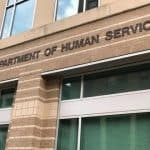
However, CMS’s decision follows a recent announcement from Centene, one of two insurers operating under ARHOME, that it would exit the program in 2024. Neither Centene’s departure nor the federal rejection will result in immediate disruption to coverage. Arkansas Department of Human Services (DHS) spokesperson Gavin Lesnick confirmed that current ARHOME beneficiaries do not need to take any immediate action and pledged regular updates as changes develop.
"We look forward to robust discussions with a wide range of partners as we develop the next evolution of this program," Lesnick said. "Our commitment to connecting eligible Arkansans to effective health care will remain our guiding principle."
Future plans for Medicaid in Arkansas remain uncertain. Senate President Pro Tempore Bart Hester of Cave Springs and House Speaker Brian Evans of Cabot emphasized the importance of maintaining coverage while the state determines its next steps. However, Hester expressed doubt over continued support for the hybrid program in the upcoming legislative session.
Health experts and advocates have warned of severe consequences if the program were eliminated entirely. Camille Richoux, health policy director for Arkansas Advocates for Children and Families, called the potential loss a devastating blow to individual healthcare access, rural hospitals, and the state’s healthcare workforce.
The ARHOME program, originally implemented during a period of divided state government, has survived multiple challenges, requiring three-fourths support in both legislative chambers for annual reauthorization. Earlier this year, the Legislature approved the program without significant opposition. Republican Senator Jonathan Dismang of Searcy, an architect of the hybrid model, said he expects the program to take a new form rather than face outright elimination.
"It’s going to be a massive thing for the next session, and something we shouldn’t take lightly," Dismang said, noting the importance of addressing the issue promptly before the program’s year-end expiration date.
Lawmakers are not scheduled to convene again until the regular legislative session in January, absent a special session being called. Meanwhile, work continues behind the scenes to craft a healthcare plan that addresses the concerns of legislators, enrollees, and healthcare providers alike.