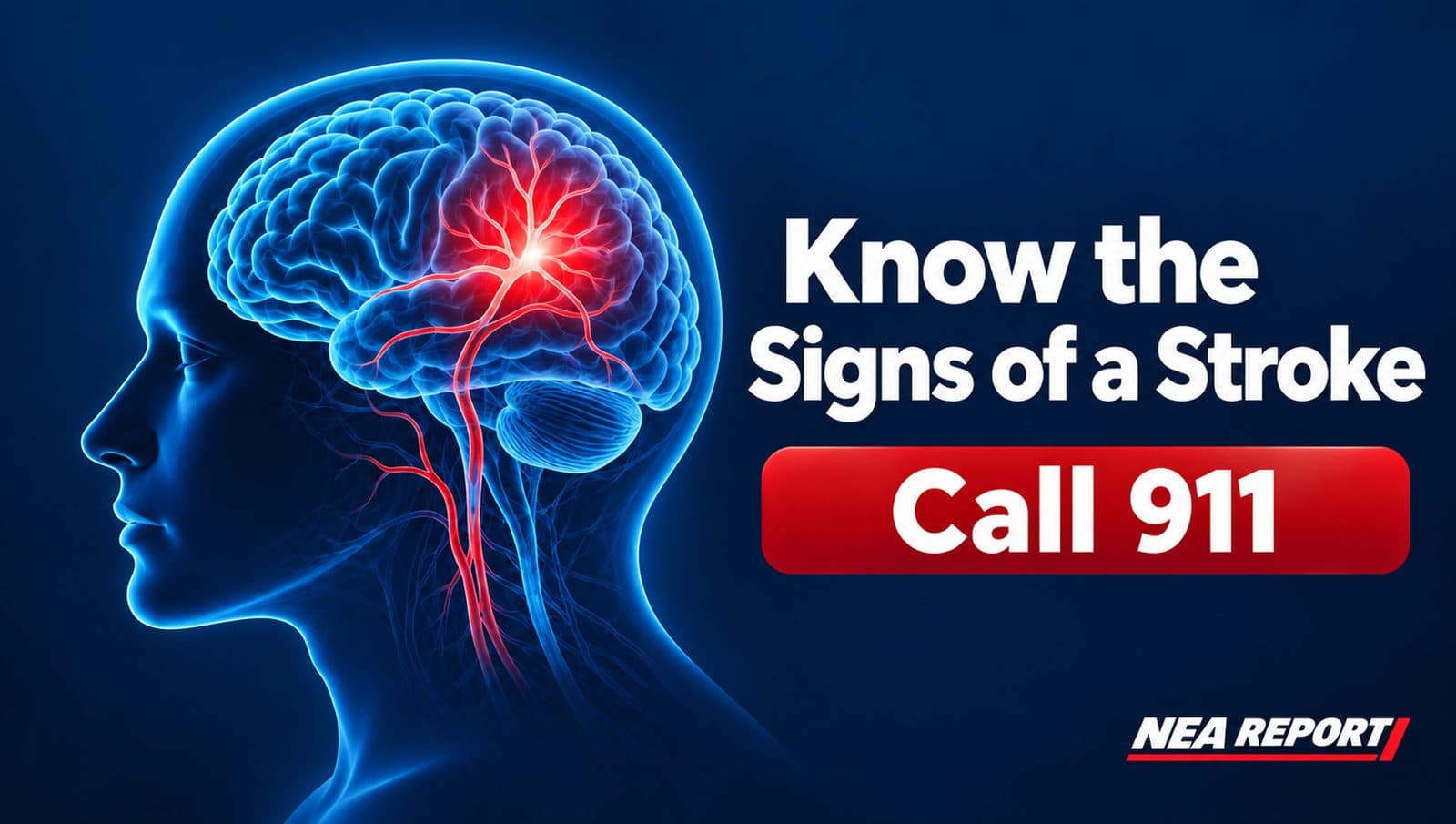
LITTLE ROCK — The Arkansas Department of Health is urging residents to familiarize themselves with the warning signs of a stroke and to call 911 immediately when symptoms appear. The call to action comes as World Stroke Day approaches on October 29.
In a news release issued October 28, the department reported that 1,971 Arkansas residents died from strokes in 2024, placing the state among those with the nation’s highest stroke death rates.
Dr. Bala Simon, the department’s deputy medical director and state chronic disease director, emphasized that prompt recognition of symptoms and immediate medical care can save lives and reduce the risks of long-term disability. Additionally, Simon noted that many strokes are preventable with lifestyle changes such as controlling blood pressure, staying active, eating a balanced diet, and quitting smoking.
The department outlined several key warning signs of a stroke. These include drooping on one side of the face, sudden vision or balance issues, arm or leg weakness, and difficulty speaking. Health officials advise that residents should not wait for multiple symptoms to appear or for initial symptoms to improve. Instead, they should call 911 immediately, even if the symptoms subside.
To help people quickly recognize a potential stroke, the Centers for Disease Control and Prevention (CDC) recommends using the acronym B.E. F.A.S.T.:
- **Balance:** Look for sudden loss of balance. - **Eyes:** Check for vision changes or blindness in one or both eyes. - **Face:** Ask the person to smile and see if one side droops. - **Arms:** Ask the person to raise both arms and check for weakness in one. - **Speech:** Listen for slurred or unclear speech. - **Time:** Note when symptoms began and call 911 immediately.
The CDC also advises that emergency medical personnel be contacted immediately, as they can begin critical treatment before reaching the hospital.
In Arkansas, 46 hospitals have received state stroke designations or national certifications, the health department noted. Other facilities rely on telemedicine platforms to provide access to stroke specialists. Hospitals with the state’s Stroke Ready designation are required to demonstrate that they have trained staff, effective protocols, and the resources necessary to evaluate and treat stroke patients or transfer them for more specialized care.
The Arkansas Stroke Registry, which collects and tracks stroke-related data, shows progress in patient care. The percentage of eligible patients receiving all recommended treatments rose from 62% in 2019 to 79% in 2025, according to state data.
Additionally, the health department continues to work on improving coordination between emergency medical services and hospitals while expanding access to care via telemedicine partnerships across the state.
Residents seeking more information on stroke prevention and care can visit healthy.arkansas.gov.