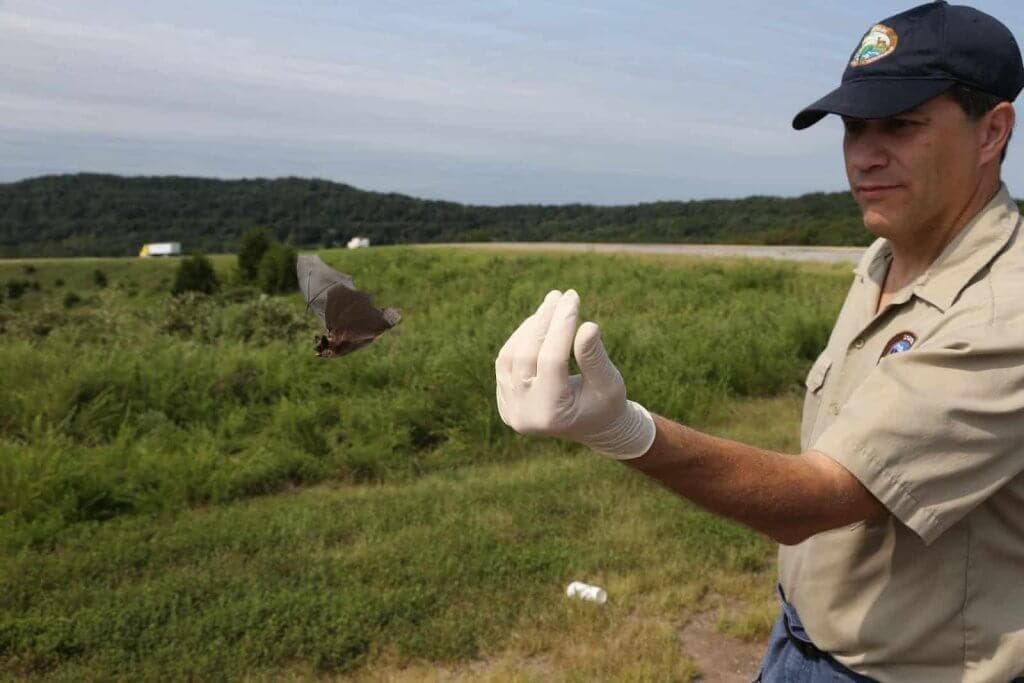
As Halloween traditions place bats in the spotlight, conservation groups are working to change public perceptions of these often misunderstood animals while emphasizing their importance to native habitats and agricultural health.
Since its creation in 2014, Bat Week, held annually from October 24-31, has sought to educate the public about the role bats play in ecosystems and to combat myths surrounding the only mammals capable of true flight. The week’s timing aligns with a period when many bats are building fat reserves before entering winter dormancy.
Bats are a diverse group, representing nearly 20% of all mammal species globally, with approximately 1,500 identified species. In Arkansas, all 16 resident bat species feed exclusively on insects. A single bat can consume up to its body weight in insects nightly, serving as a natural pesticide for crops and limiting the spread of insect-borne diseases. Bats in other parts of the world also play key roles as pollinators. For example, agave plants in Mexico rely on bats for pollination.
Despite their ecological contributions, many bat populations are in steep decline. Of the 38 animal species listed as endangered in Arkansas, five are bats: the gray bat, northern long-eared bat, little brown bat, Ozark big-eared bat, and Indiana bat. A sixth species, the tricolored bat, is under consideration for endangered status following a proposal by the U.S. Fish and Wildlife Service.
The sharp decline of some species is primarily attributed to habitat loss and a fungal disease known as white-nose syndrome. First documented in a cave in New York and identified in Arkansas in 2012, the disease thrives in cool, cave environments. The fungus damages tissues and disrupts bats’ hibernation cycles, forcing infected bats to use excessive energy during a time when food is scarce, often leading to starvation.
According to Blake Sasse, the statewide nongame mammal program coordinator with the Arkansas Game and Fish Commission, the disease has had devastating effects on Arkansas bat populations. Surveys in the Ouachita National Forest show a 98% decline in northern long-eared bats, while tricolored bats have experienced a 90% population drop across the state. Researchers believe the fungus spread to North America from Europe or Asia, likely hitching a ride on the clothing and equipment of cave explorers. It has since been found in at least 15 Arkansas counties.
While scientists are still searching for solutions to control white-nose syndrome, local residents can take steps to help bats thrive. Sasse recommends "clean caving" practices by carefully cleaning clothing, shoes, and gear before entering caves or mines to avoid spreading fungal spores. Guidelines for these measures are available at whitenosesyndrome.org.
Additionally, homeowners and landowners can support bat populations by providing habitat. One option is to install bat houses as safe summer roosts. Workshops like the bat house-building class offered on October 31 at the J.B. and Johnelle Hunt Family Nature Center in Springdale can aid those interested in helping.
Bat Week also aims to dispel long-standing myths. Bats, which navigate and hunt using advanced echolocation, also have good eyesight and pose little threat to humans. Vampire bats, known for feeding on blood, do not inhabit the United States, contrary to urban legends.
For more about bat conservation and to learn how to get involved, visit batweek.org. Additional educational resources, including a video showcasing bat research in Arkansas, can be found on the Arkansas Game and Fish Commission’s YouTube channel.