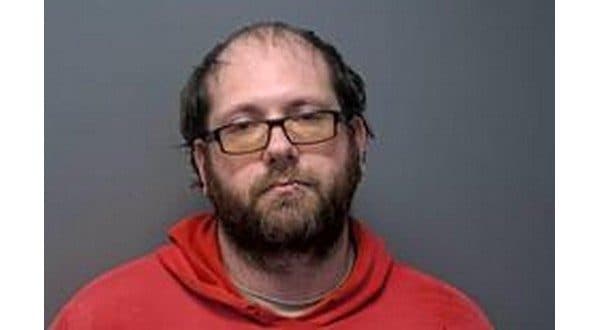
A Yellville man facing a forgery charge in Baxter County Circuit Court claims he was the victim of a widespread online scam, his defense attorney told the court.
Jacob Lee Stewart, 40, appeared in court on October 12, pleading not guilty to second-degree forgery over allegations he cashed a check worth approximately $1,600 that later bounced. Stewart’s attorney has filed motions contesting the charge, asserting Stewart lacked fraudulent intent and that he was unknowingly involved in a scam.
Court filings indicate that Stewart had listed a washer for sale on Facebook Marketplace, asking $1,000. A purported buyer sent him a money order for nearly $1,600, claiming the overpayment was a mistake and requesting Stewart send the excess funds back. Stewart complied, but when the check was ultimately deemed fraudulent, communications with the buyer stopped, leaving Stewart without payment or a completed sale.
According to court documents, Stewart cashed the check at a local pawn shop, providing his driver’s license and signing his own name. His defense argues this behavior does not align with someone consciously committing forgery or attempting to hide their identity.
In late September, Stewart’s attorney filed a motion urging the court to consider materials from federal agencies—including the Federal Trade Commission (FTC), Federal Bureau of Investigation (FBI), and Federal Deposit Insurance Corporation (FDIC)—explaining how check overpayment scams operate. These documents describe a common scheme in which scammers purchase items online, send checks exceeding the agreed-upon amount, and ask sellers to return the difference. By the time the check is identified as fraudulent, the victim has already sent the money and often cannot recover it.
Stewart’s legal team argues that his intent must be assessed based on the totality of his actions, suggesting he acted without knowledge of the fraud. The defense’s filings contend the state has not provided evidence demonstrating that Stewart had a "guilty mind," noting the probable cause affidavit does not allege Stewart created or altered the check, used false identification, or made any self-incriminating statements.
The defense further emphasized that Stewart was one of four individuals who cashed bad checks at the same pawn shop within a six-week period last year, with evidence pointing to various scams being in operation. One case involved a woman who sent money to someone she believed to be a military member in need of financial assistance. Charges were dropped against her after she repaid the pawn shop.
Baxter County law enforcement has repeatedly warned residents against sending money to unknown individuals they have only interacted with online. Officials note that refunds are often requested by scammers exploiting the time it takes banks to fully verify a check’s validity, even as initial electronic funds appear legitimate.
Stewart’s defense continues to argue for dismissal of the charge, stating the alleged crime lacks sufficient evidence of criminal intent. The court has yet to rule on the motion or set a date for further proceedings.