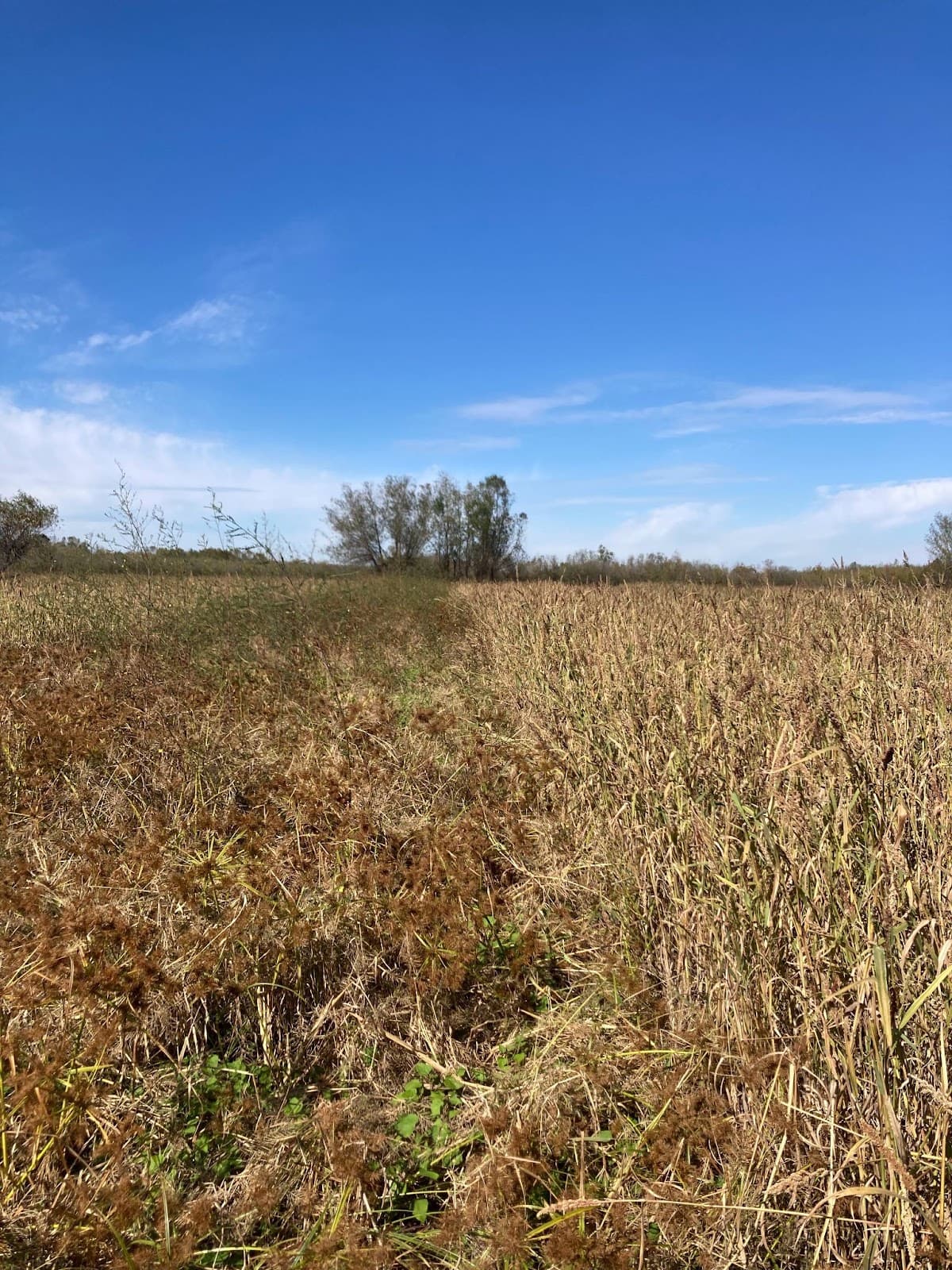
Fourteen months of persistent drought have significantly impacted Arkansas wetlands, leaving waterfowl hunters facing a challenging start to the state’s duck season on Nov. 21, according to the Arkansas Game and Fish Commission (AGFC).
AGFC Director Doug Schoenrock addressed the issue during the commission’s Oct. 7 meeting, highlighting the widespread impact of a more than 20-inch rainfall deficit. “This sort of deficit doesn’t disappear after a few 1-inch rains,” Schoenrock warned, urging hunters to adjust their expectations for both public and private land this season.
David Luker, AGFC assistant chief of wildlife management, presented stark data illustrating the situation. As of early October, only 42 percent of the moist-soil units managed by AGFC had sufficient water for flooding, with those numbers expected to decline.
Jeffrey Cothren, wetland habitat program coordinator for AGFC, provided additional details. Of 71 units that have water available, just 42 units spanning 3,553 acres are currently floodable, with over half of those acres located at Steve N. Wilson Raft Creek Wildlife Management Area. Despite continuous pumping efforts, Cothren noted, “The best-case scenario there is to have 34 permit hunt locations available by Christmas.”
Water scarcity is also evident in key areas like Lake Charles and Harris Brake Lake, which typically feed greentree reservoirs (GTRs) for waterfowl. Lake Charles is critically low at 4.5 feet deep—more than 8 feet below normal pool. Without adequate water reserves, the AGFC has decided to halt GTR flooding from these lakes to prevent further environmental damage.
Efforts to mitigate the problem have included deploying portable pumps and collaborating with local irrigation districts, but limited surface water due to the drought has hampered progress. Luker noted that 95 percent of AGFC-managed wetlands rely on natural rainfall and surface water, both in critically short supply after a year of drought.
Private landowners have also struggled. Only 5 to 10 of 47 hunt locations enrolled in the AGFC’s Waterfowl Rice Incentive Conservation Enhancement (WRICE) program have enough surface water for flooding. Luker cited a farmer’s report of digging 9 feet before finding soil moisture.
The statewide reduction in rice acreage, driven by economic pressures, compounds the issue. Arkansas rice farming dropped below 1 million acres for the first time in decades, according to the U.S. Department of Agriculture.
“Rice fields have always been vital to ducks during migration and winter,” explained Luke Naylor, AGFC’s chief of wildlife management. “We should expect lower duck numbers and tougher hunting conditions as the season begins.” He added, however, that timely rains could improve conditions by creating temporary wetland habitats.
AGFC has provided public resources for tracking wetland conditions and operations. Updated flooding plans for moist-soil units and greentree reservoirs are available at agfc.com/wetlandmanagement. Details on hunt locations under the WRICE program can also be found at agfc.com/education/arkansas-waterfowl-rice-program-wrice/.