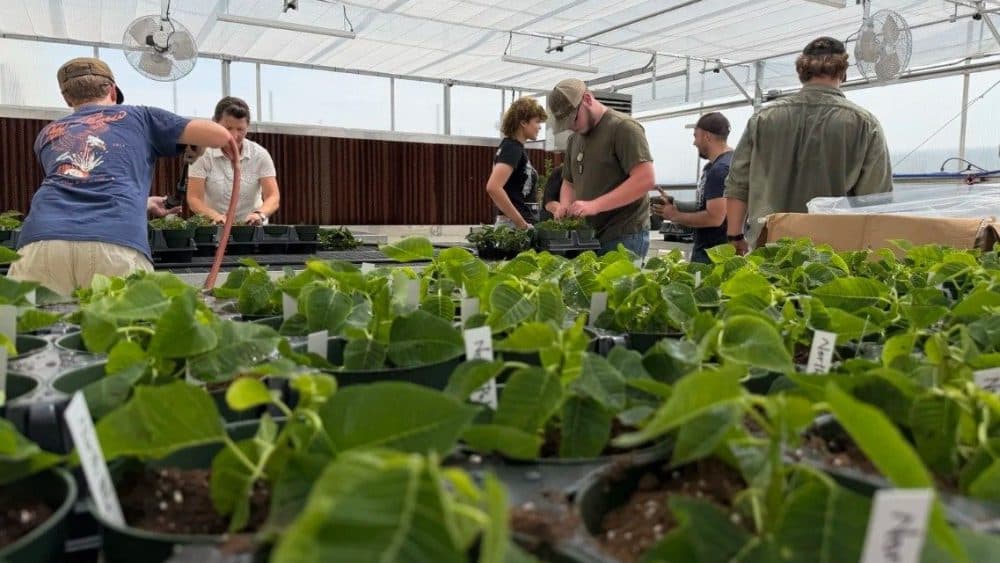
Students at the University of Arkansas Community College at Batesville (UACCB) preparing for careers in agriculture will benefit from a new endowment established through a gift from the Bank of Cave City.
The college’s Farm and Ranch Management (FARM) program officially became the Bank of Cave City Farm and Ranch Management Program on Oct. 1. The contribution creates the Bank of Cave City Farm and Ranch Management Endowment through the UACCB Foundation, offering long-term financial support for the program while assisting students entering the agriculture field.
The endowment can fund various needs, including program operations, equipment, scholarships, maintenance, and other education-related financial assistance. Officials say the support strengthens opportunities for prospective farmers and ranchers to develop specialized skills for managing agricultural operations.
“We are grateful to Bank of Cave City for investing in our students and the future of agriculture in our region,” UACCB Chancellor Brian Shonk said in a statement. “The FARM program gives students the opportunity to learn by working with crops, livestock, and the everyday decisions involved in running a farm or ranch. This gift will help us continue building those opportunities and support future generations of students as they prepare to contribute to our agricultural communities.”
UACCB’s program integrates practical agricultural training—including the use of equipment, crop management, and livestock care—with business and management education. Students also gain experience with advanced tools such as drones and GPS technology used in modern precision farming. The program offers multiple credentials, including an Associate of Applied Science degree, technical certificates, and proficiency certificates.
John Beller, president and CEO of Bank of Cave City, highlighted the value of investing in agricultural education. "We are thrilled to support UACCB and this innovative FARM program," Beller said. "Agricultural production is a vital part of community and economic development, and this curriculum will empower the next generation of farmers to succeed as food producers, entrepreneurs, and citizens."
According to officials, the program’s development will not only benefit UACCB students but also promote sustainability within local farming and ranching communities. By equipping students with both hands-on and strategic skills, the program aims to prepare graduates to contribute to and lead within the region’s agricultural economy.