The Batesville City Council approved Police Chief John Scarbrough’s request on Tuesday to purchase 40 tourniquets and holders for the city’s officers. The gear, funded with approximately $2,300 from the department’s no-insurance fine account, is intended to bolster the department’s ability to handle life-threatening injuries. Scarbrough said the account holds $109,000 and is reserved for vehicles and life-saving equipment.
Scarbrough noted the department has dealt with two incidents over the past 12 years where tourniquets were critical: one involving an officer who was shot and another where a person accidentally severed an artery after stabbing himself in the leg. The tourniquets are intended as single-use devices, he added, making the extras crucial.
Additionally, the council approved Scarbrough’s request for an officer to attend out-of-state training in low-power variable optics for rifles. The two-day course in Mississippi will cost $400 plus travel, which the department will cover. Scarbrough also announced progress on a $66,000 traffic enforcement grant, with $50,000 allocated for officer overtime and $16,000 for equipment. The department will receive another $1,500 grant to equip patrol cars with naloxone (Narcan) to counter opioid overdoses. A previous shipment of Narcan had expired.
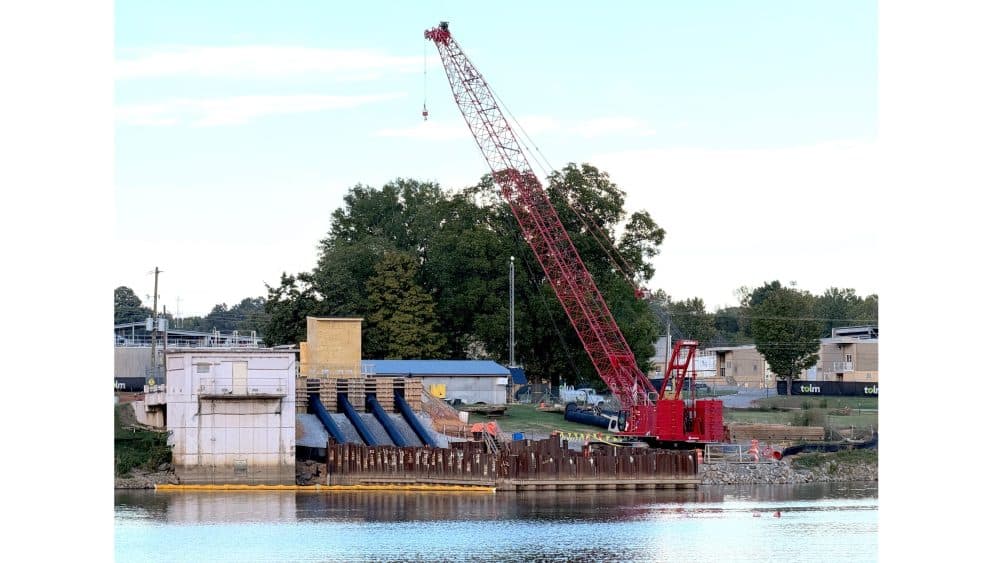
Public Works Engineer Damon Johnson provided updates on several key projects, including Batesville’s new $110 million water treatment plant. While construction on the plant itself is moving well, delays with the White River intake structure have set the project back by four to six months due to unexpected issues with bedrock. The structure, critical for collecting raw water, faced complications that even geotechnical experts struggle to explain, Johnson said. The delays have resulted in cost increases, with change orders so far accounting for 3% of the project’s budget—around $3 million. Johnson said additional overruns could push the project above its $110 million budget. Contingency funds were included but are being eroded by inflation and other variables.
Work at the existing water plant was especially strained during the summer’s high demand, Johnson noted, calling it “an intense 45 to 60 days” during which the plant operated at maximum capacity. He hopes another summer can pass without major issues before the new facility becomes operational.
Sludge removal at the city’s wastewater treatment plant is also underway and expected to be completed in two to three weeks. The process, which involves contracting a private company to remove and apply sludge to nearby fields, occurs every three years and costs between $500,000 and $600,000. This year’s work saw increased competitiveness, with three bidders for the contract.
Meanwhile, the Riverside Park expansion project, located across the street from the new water treatment plant, is progressing but facing its own challenges. Playground equipment is expected to arrive within the next two months, but part of the park will remain fenced off due to delays with the adjacent intake structure. Walkways will provide access around the fenced area. Johnson also highlighted ongoing efforts to address “oil canning,” a waviness affecting the exterior of the new events center at the park. Crews are exploring modifications to reinforce the metal siding, and tree planting along the highway may help mitigate temperature-related issues contributing to the problem.
Both the water treatment and Riverside Park projects were made possible by a voter-approved extension of Batesville’s one-cent sales tax in August 2023. The park project is expected to be completed by the end of this year, with adjustments to address construction hurdles.
The Batesville Police Department also reported its latest statistics for September, logging 1,119 service calls, 202 citations, 224 warnings, 40 accidents, 36 arrests, and 78 incident reports. These numbers showed some fluctuation compared to prior months.
The next regular Batesville City Council meeting is scheduled for later this month.