The Arkansas State Board of Pharmacy voted on Tuesday to suspend enforcement of a 2025 law that would have prohibited pharmaceutical manufacturers from limiting which pharmacies can purchase their drugs. The decision comes after a federal judge declared the law unconstitutional earlier this year. U.S. District Judge Lee Rudofsky ruled in May in favor of Novartis Pharmaceuticals, granting the company's request to block the enforcement of Act 630. The law, signed in 2025, sought to prevent drugmakers from restricting distribution networks. Rudofsky is also overseeing similar lawsuits filed by Bristol Myers Squibb and Accredo Health Group against the state. Both Act 630 and another 2025 regulation, Act 624, have faced legal challenges. Act 624, which would have barred pharmacy benefit managers from obtaining drugstore permits, was also blocked by federal courts on constitutional grounds. Both measures were found to violate the U.S. Constitution’s dormant commerce clause, which forbids states from enacting legislation that disrupts interstate commerce. During Tuesday’s meeting, the board agreed to support settlements in the ongoing lawsuits over Act 630 and announced it would no longer process applications from pharmacies seeking exclusive distribution arrangements within Arkansas. State Rep. Brandon Achor, a Republican from Maumelle and sponsor of Act 630, expressed frustration with the federal injunction but saw it as guidance for potential revisions during future legislative sessions. A practicing pharmacist, Achor criticized pharmaceutical companies for opting to challenge the law in court rather than cooperating with its requirements. “Rather than complying and taking the opportunity to show why their process benefits patients, they sued and said, ‘Stop asking us questions,’” Achor said. He is currently campaigning for a state Senate seat in the November election. John Vinson, CEO of the Arkansas Pharmacists Association, also voiced disappointment in the drug companies’ opposition to the legislation. He noted that limited distribution networks have created significant challenges for patient access to critical medications. Vinson highlighted a case in northeast Arkansas where a pharmacy could not obtain a life-saving cancer drug manufactured by Bristol Myers Squibb, underscoring the potential consequences for patients. “Until manufacturers are willing to come to the table and have open-minded discussions, I think there’s going to be a continued fight,” Vinson said. Representative Achor, who has personal experience with cancer as both a patient and a provider, remains committed to improving access to life-saving treatments. “I’m not willing to accept the current norm as sustainable for Arkansas,” he said. Separately, Arkansas Attorney General Tim Griffin recently announced lawsuits against 13 pharmaceutical companies, including Novartis and Bristol Myers Squibb. Griffin alleged the companies violated a 2021 state law requiring those participating in Medicaid to sell discounted medications to contract pharmacies. This law, the first of its kind in the nation, survived legal challenges when the U.S. Supreme Court declined to hear an appeal. While the state is appealing the federal court decision on Act 624, representatives from Griffin’s office indicated that an appeal in the Act 630 case is unlikely.
BusinessTwin Lakes
Arkansas Suspends Enforcement of Pharmacy Distribution Law After Federal Court Ruling
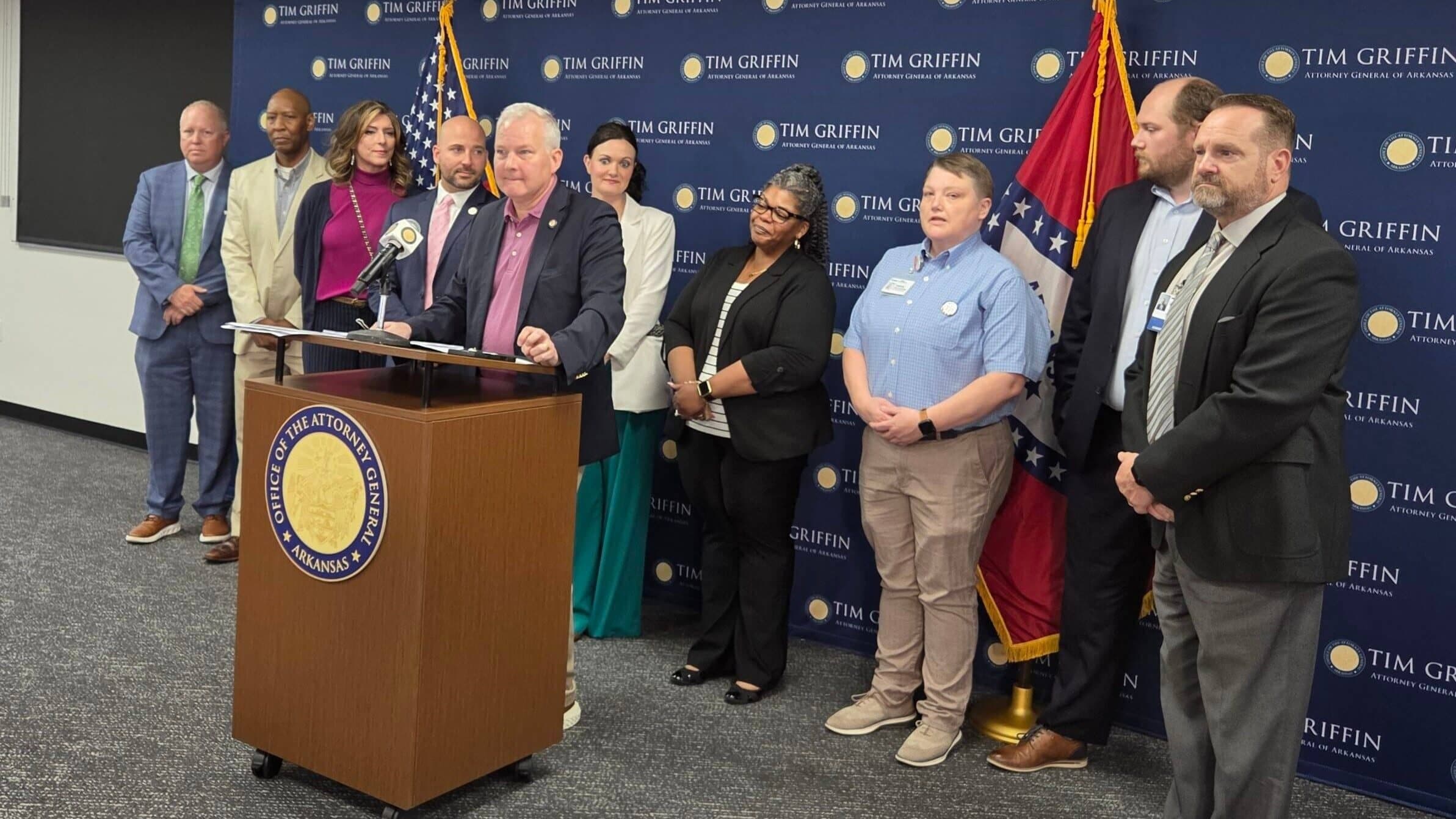
The state pharmacy board will not enforce Act 630 of 2025 after a judge ruled it unconstitutional under the dormant commerce clause.
WATCH
Vertical video · 9:16