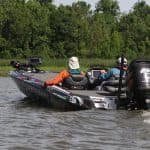
Boaters and anglers in Arkansas are encountering lower-than-usual water levels in rivers and reservoirs this fall, which is reshaping how they navigate and fish. While concentrated fish near submerged structures have improved angling opportunities, the conditions pose challenges at boat ramps and on the water.
Low water levels, according to the Arkansas Game and Fish Commission (AGFC) and the U.S. Army Corps of Engineers, have left many boat ramps at the edge of their usable length, creating potential hazards for trailers and vehicles. Officials have placed warning signs near affected ramps, advising boaters to look for unseen drop-offs and obstacles before launching. Boaters are encouraged to closely monitor kiosks and signs in the area to stay informed about altered ramp conditions.
Narrow ramps resulting from the lower water also create longer wait times and require heightened attentiveness. "A quick scan of the ramp’s edges can prevent damage," AGFC officials advise, noting that trailer frames can be significantly harmed by dropping a wheel off a ramp’s end. Boaters are urged to take their time when launching or retrieving vessels, reduce backing speed, and assist others in need of help when possible.
Beyond the ramps, reduced lake and river levels reveal submerged hazards. Tree stumps, rocky outcroppings, and shallow humps—typically far below the surface—can now sit just below or at water level, increasing the risk of collisions for boaters unaccustomed to such conditions. AGFC recommends reducing speed outside main river channels, allowing for more reaction time for unexpected obstacles. Boaters should also be mindful of increased congestion, particularly around creek mouths and islands, where compressed traffic can lead to accidents if wakes aren’t managed properly.
Depth finders, particularly GPS-enabled models, are especially useful tools as conditions shift. Many such devices allow adjustment of contour maps to reflect current water levels, though AGFC cautions boaters to rely on live sonar readings for real-time depth information. Additionally, trimming up an outboard motor is a crucial precaution when navigating shallow waters. Rocks, stumps, and other debris can damage motors if they’re not angled properly.
With hunting season underway and cooler temperatures drawing fewer crowds to waterways, boaters are urged to remain vigilant amid these changing conditions. Patience, awareness, and respect for fellow boaters are key to navigating low water levels safely this fall.