Federal auditors have identified severe issues in Arkansas’ handling of child abuse investigations, with 138 of 140 cases reviewed failing to meet state requirements during a year-long audit period. The findings, released by the U.S. Department of Health and Human Services Office of Inspector General, included evidence of systemic lapses in following investigation protocols, reporting outcomes, and initiating timely action.
A Mountain Home case spotlighted in the audit involved a 15-year-old boy who was discovered by police locked naked in a bathroom. Reports about the boy’s family had been made to the Arkansas Child Abuse Hotline 29 times over the span of 11 years without any intervention. His guardians, Jaclyn Barnett and Daniel Wright, pleaded guilty in 2025 to abuse charges and are serving 20-year prison sentences.
The audit reviewed calls made to the Arkansas Child Abuse Hotline between October 1, 2023, and September 30, 2024. Auditors estimated that 99% of the 21,268 in-home investigations closed during that period violated at least one state rule. They also found that out of 27,690 reports rejected by the hotline, approximately 3,956—about 14%—should have been investigated.
In 35 randomly selected investigations involving severe maltreatment allegations, auditors could not find evidence that the state had notified law enforcement or prosecutors as required by law. Additionally, in 48 cases, police were not informed of investigation outcomes, and parental notification of findings occurred in only eight of the reviewed cases. Investigators missed key interviews or documented required actions late in the majority of cases reviewed.
Hotline staff were also criticized for rejecting urgent reports. In one instance, a report from an 11-year-old alleging rape was dismissed because staff believed a young child might not fully understand the term. Another report involving children being monitored by security cameras while undressing was screened out due to a lack of hotline guidance on voyeurism, despite state law classifying such incidents as abuse.
The Arkansas Division of Children and Family Services (DCFS) and the Arkansas State Police Crimes Against Children Division (CACD) acknowledged most of the audit’s findings. Both agencies pointed to factors such as high caseloads, staffing shortages, and outdated systems as contributing factors but disputed some claims, including the audit’s deeming of Arkansas as a high-risk state.
DCFS Director Tiffany Wright has said the agency has taken steps to address the identified issues, including revising investigation policies and implementing new supervisory oversight measures. However, a full rewrite of the hotline manual remains on hold until the 2027 legislative session. Officials also continue to work on updating systems like CHRIS, the statewide database for child welfare cases, to prevent lapses in documentation and tracking.
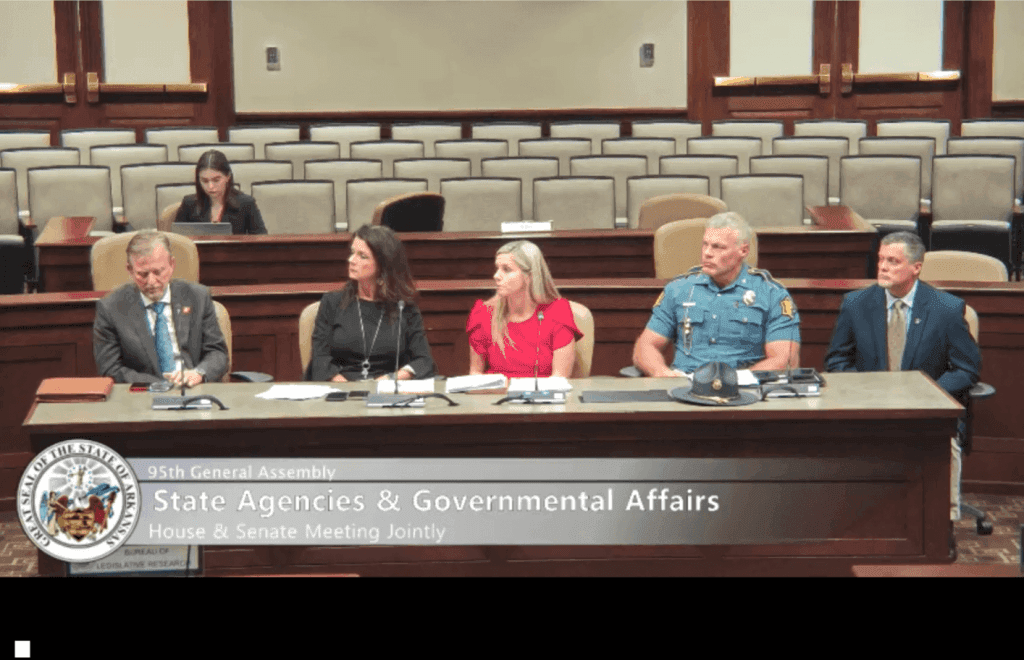
The Barnett-Wright case and the 29 unsubstantiated reports that preceded it remain emblematic of broader systemic failures. During a 2025 legislative hearing, lawmakers criticized DHS for not examining its database for similar patterns. Wright acknowledged this oversight but said no employees had faced disciplinary action related to the case.
The audit’s recommendations include ensuring compliance with state laws on notifications, enhancing training and oversight, and reducing investigator caseloads. While federal auditors noted progress on some fronts, many of the recommended corrective measures remain in progress. State officials have committed to addressing lingering deficiencies ahead of the next legislative session.
The full federal audit, OAS-25-06-038, is publicly available on the inspector general’s website.