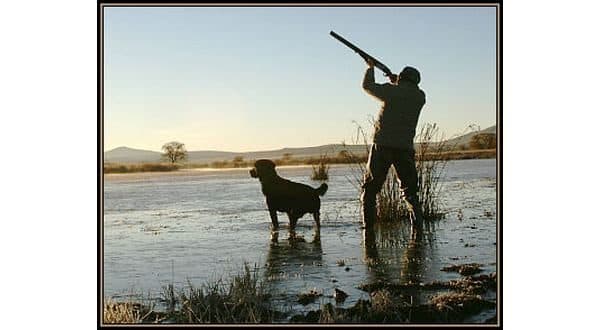
Arkansas duck hunters are preparing for the fall season with mixed expectations amid ongoing drought conditions. Improved breeding habitat in the Prairie Pothole Region has bolstered hopes for a stronger duck migration, yet limited water across the state may pose challenges as the season progresses.
According to the U.S. Fish and Wildlife Service’s annual Waterfowl Breeding and Population Survey, the region saw an estimated 4.8 million ponds in May, an improvement from the previous year but still 9% below the long-term average. Last year’s pond count was the lowest recorded since 2004. Brett Leach, Waterfowl Program Coordinator with the Arkansas Game and Fish Commission, noted that overall duck numbers remain similar to last year, with the exception of certain key species.
Mallard populations, for instance, dropped 11% to an estimated 5.9 million, marking the lowest spring count for the species since 1993 and falling 26% below the long-term average. Other species, such as northern pintails, gadwalls, American wigeon, and green-winged teal, experienced slight declines but remained statistically consistent with last year. Pintails, in particular, are 48% below their long-term average, while shovelers showed a 19% increase and are now 24% above their historical norm.
Leach pointed to improved breeding habitat conditions—shifting from poor to fair in the Prairie Pothole Region—as a promising sign that more ducks may take part in the fall migration compared to last year. However, he emphasized that winter weather and habitat conditions in Arkansas will ultimately determine how many birds remain in the state during the hunting season.
Persistent drought conditions are complicating that prospect. Arkansas is now in its 14th consecutive month of drought, with little rain forecasted in the immediate future. While the National Weather Service predicts above-average precipitation between November and January, current water levels are not sufficient to flood traditional duck habitats in late October and early November, a critical time for hunters. Officials expect drought conditions to persist through at least Nov. 30.
With limited water in the state, hunters may face delays or reduced opportunities until significant rainfall replenishes habitats. Despite some encouragement from the improved breeding conditions, meaningful changes in local waterfowl numbers largely hinge on the development of wetter conditions later this winter.
Efforts by conservation officials and monitoring agencies will continue as hunters across the region anticipate the start of another season.