The University of Arkansas for Medical Sciences (UAMS) announced it has received a $1.5 million grant to provide telehealth-based diabetes care to underserved communities in Batesville and El Dorado.
The five-year funding, awarded by the Health Resources and Services Administration, will support telehealth nutrition services and remote health monitoring for patients with Type 2 diabetes, prediabetes, and associated obesity. The initiative will be housed within UAMS Health Family Medicine Clinics and is expected to serve at least 300 patients over the grant period.
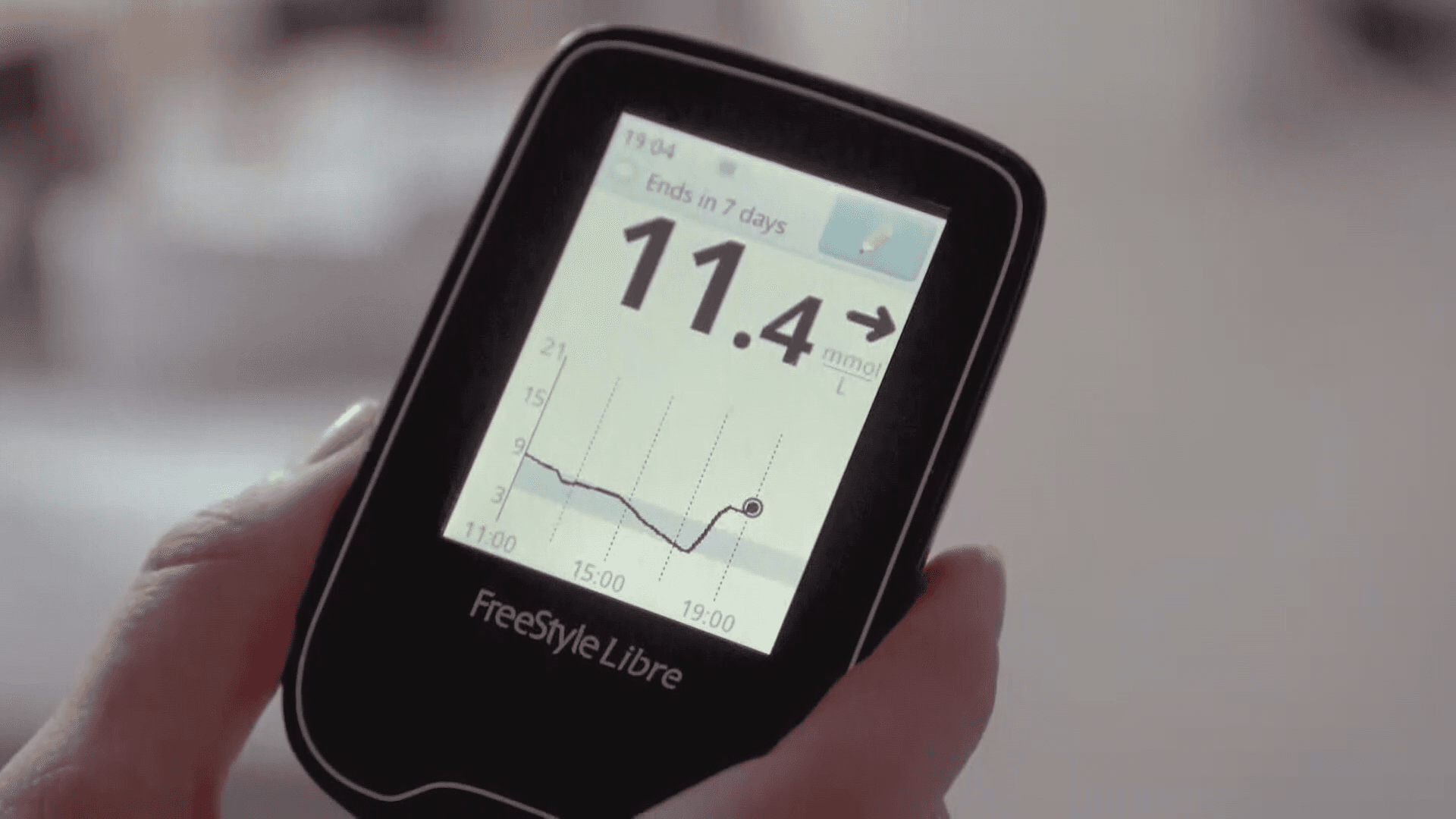
According to a UAMS statement, registered dietitians will leverage digital health platforms to offer both individual and group-based medical nutrition therapy. Participants will also receive continuous glucose monitors (CGMs), which provide real-time data on blood sugar levels. The CGMs will assist patients in understanding how food choices impact their glucose levels, allowing for personalized nutrition strategies.
Jennifer Andersen, the project’s principal investigator and an assistant professor at the UAMS Institute for Community Health Innovation, described the program as a vital step in extending healthcare access in remote parts of the state. "By bringing telehealth nutrition services and continuous glucose monitoring to patients and connecting them with community health workers, we’re creating an additional pathway to care for people living with Type 2 diabetes and prediabetes in two of Arkansas’ most rural communities," Andersen said.
She added, "For residents who may face barriers to accessing the resources they need to manage their health, this approach can help bring care and support closer to home. We’re excited to see how this program strengthens systems of care in Independence and Union counties and informs similar efforts across Arkansas.”
Diabetes remains a pressing health challenge in the state. The American Diabetes Association estimates that approximately 369,000 adults in Arkansas have been diagnosed with diabetes. Local data suggests that nearly 40% of adults in Independence and Union counties either have diabetes or are at increased risk of developing it.
Andersen highlighted the financial burden associated with the condition, noting that health expenses for people with diabetes are roughly 2.6 times higher than for those without. Furthermore, diabetes-related costs in Arkansas are estimated to total $4.9 billion annually.
"This program gives us an opportunity to learn how telehealth, community health workers, and technology can be used together to reach rural communities," she said. "If we can improve access to evidence-based nutrition care and help people better manage their health, there is potential for benefits that extend well beyond the two counties participating in the program.”