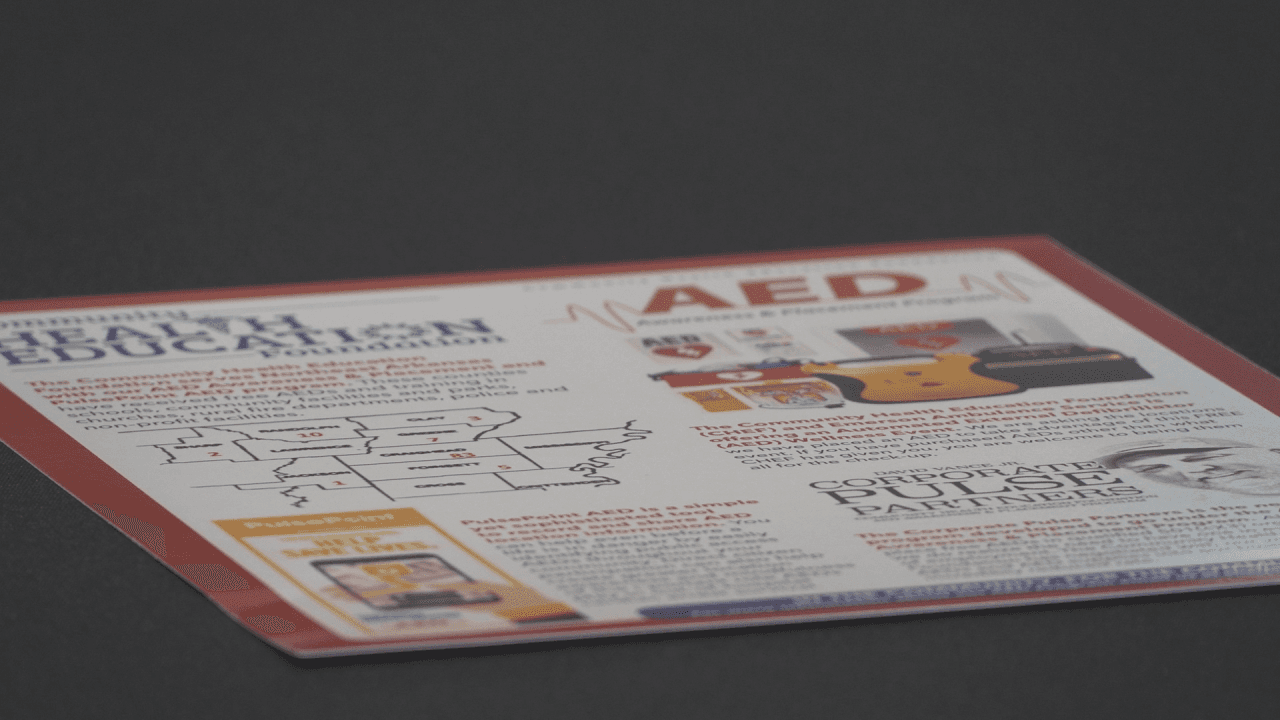
Community Health Education has distributed 20 additional automated external defibrillators (AEDs) to schools and businesses across Northeast Arkansas, increasing the total number deployed in the region to 145. The effort seeks to provide wider access to the potentially life-saving devices during cardiac emergencies.
AEDs deliver electrical shocks that can help restore a normal heart rhythm when someone goes into sudden cardiac arrest. While cardiopulmonary resuscitation (CPR) can maintain blood flow, it typically cannot restart a stopped heart. AEDs fill that critical gap, improving survival rates when used promptly.
As part of the continuing initiative, the organization aims to ensure more locations are equipped with an AED within reach of community members. Cardiac arrest survivor Teresa Runkle shared her firsthand experience of the devices’ potential.
"I am one of the approximately one in seven to survive a cardiac arrest. I know how incredibly blessed I am to be able to say that," Runkle said. "I know that every day I wake up, it is a gift."
According to the National Institutes of Health, bystanders using AEDs during emergencies save an estimated 1,700 lives annually in the United States.
Individuals interested in learning CPR or how to operate an AED can access training through organizations like the American Heart Association or the American Red Cross.
For more information, contact Community Health Education or consult local resources for available AED and CPR training opportunities.