October marks Breast Cancer Awareness Month, a time to spotlight a disease that affects thousands of Arkansans every year. According to an Arkansas health report, more than 2,600 women in the state are diagnosed with breast cancer annually, with nearly 400 losing their lives to the disease. On a national scale, one in eight women will face breast cancer at some point during their lives.
While breast cancer primarily affects middle-aged and older women, approximately one in 10 cases occur in women under 45, according to medical experts. Early detection significantly improves outcomes, as catching it early reduces the likelihood of the disease spreading and simplifies treatment options.
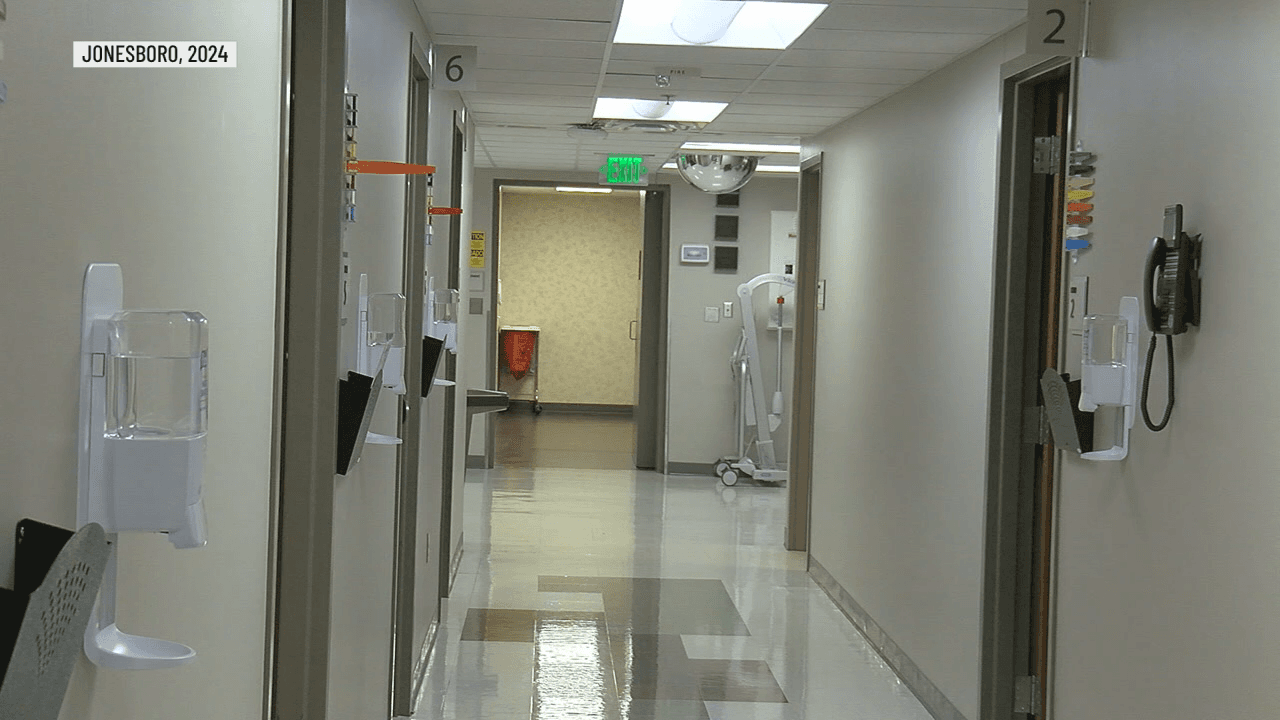
Dr. Pallav Mehta, chief medical officer of oncology for Main Street Health—which collaborates with Piggott Community Hospital—emphasized the importance of acting promptly if changes in the breast are noticed. "If a person feels something, they should not be afraid to get it checked," Mehta advised. "There’s a lot of good options, and it’s not a one-size-fits-all approach anymore."
Doctors recommend being alert to early warning signs of breast cancer, which may include a new lump in the breast or underarm, changes in nipple shape or unusual discharge, itching, painful swelling or soreness in the breast or armpit, and visible changes to skin such as redness, dimpling, or pronounced veins.
Mammograms remain a key tool for early detection. "There’s almost little to no risk with getting annual mammograms," Mehta said. He encouraged women to discuss risk assessments with their primary care physician or OB-GYN starting at age 40, when screenings are generally recommended every one to two years.
Although breast cancer is most commonly associated with women, Mehta highlighted the need for awareness among men as well. "About 1% of all breast cancer cases occur in men, which translates to around 3,000 cases annually nationwide," he explained. For men, early detection often proves more challenging because they are less likely to perform self-exams or seek medical advice if they notice changes. "Men aren’t thinking about breast cancer," he noted. "It’s often incidental—a partner notices something or they discover something unusual. But unfortunately, unlike women, most men won’t get it checked out right away."
For those in need of low-cost mammograms, the Arkansas Breast Cancer Program provides assistance and can be contacted at 501-425-3031.
Health officials and organizations across Arkansas are urging residents to stay vigilant, get screened, and consult their doctors about any concerns. Raising awareness and prioritizing early detection remain critical tools in the fight against breast cancer.