Arkansas lawmakers and criminal justice advocates are focusing on programs that support incarcerated individuals returning to society as a potential solution to the state’s worsening prison overcrowding crisis.
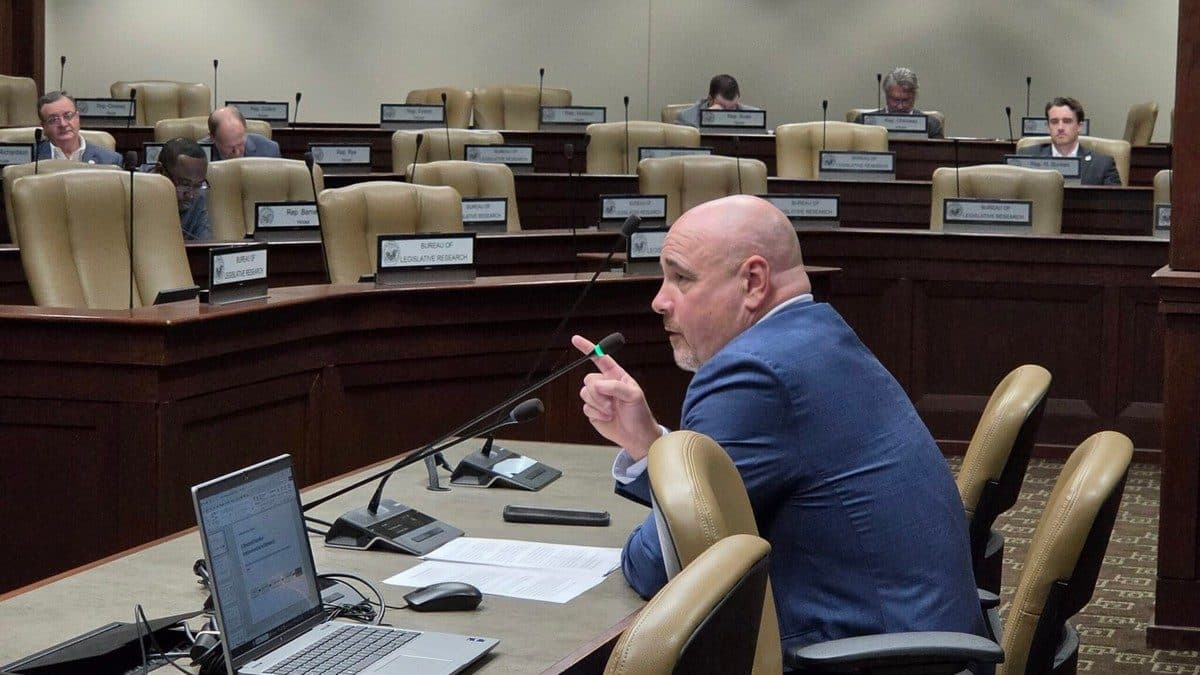
As of September 1, Arkansas state correctional facilities reported housing 16,804 inmates despite offering only 15,362 beds, forcing county jails to hold individuals awaiting transfers to the state system. The issue prompted a daylong hearing organized by the state House and Senate Judiciary Committees on Wednesday, where 19 speakers offered testimony on the problems and potential reforms.
“There needs to be a thorough examination of what happens before individuals even reach those prison beds,” said Marybeth Hill, event coordinator with the ARCHway Institute, a Florida-based group specializing in substance use treatment. Hill, who shared her own story of recovery and reentry following incarceration for drug charges, argued that a combination of support, accountability, and treatment is critical. “We cannot incarcerate ourselves out of a public health crisis,” she added.
Jarad Harper, who leads the faith-based Shackle Free Ministries in Clarksville, highlighted another challenge to successful reentry: the persistent presence of drugs within prison walls. Harper urged lawmakers to investigate claims that corrections employees may be facilitating drug entry.
Sen. Mark Johnson, a Republican from Ferndale, echoed this call for accountability. “I’m asking if we should be throwing the book not at the first-time criminals, but at government employees making a very good living and eventually getting a huge pension for being part of the problem,” Johnson said during the hearing.
These recommendations come amid continued discussions about the state’s prison infrastructure. Earlier this year, Republican Gov. Sarah Huckabee Sanders proposed constructing a 3,000-bed prison in Franklin County to alleviate overcrowding, but the plan has stalled due to legislative resistance.
Wednesday’s hearing also featured testimony from former Arkansas lawmaker Jeremy Hutchinson, who once served two years in prison on federal bribery and tax charges. Hutchinson, now the director of strategic initiatives at criminal justice reform organization Unify.US, outlined strategies for improving the reentry system. “Reentry programs that address employment, housing, and substance abuse treatment are essential for reducing recidivism and relieving a strained prison system,” Hutchinson stated.
Hutchinson’s connection to the issue is deeply personal. He resigned from the legislature in 2018 after being indicted in a federal corruption scandal and ultimately received a pardon from President Donald Trump in 2025.
The debate over prisoner reentry programs comes amid a broader push to rethink Arkansas’ approach to criminal justice amidst significant overcrowding. While no specific policy measures were decided at the hearing, lawmakers signaled their intention to continue discussions in search of sustainable solutions.