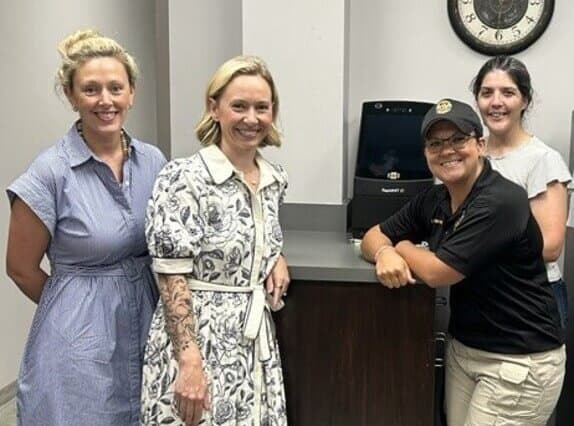
The Arkansas State Crime Laboratory has introduced Rapid DNA technology at select county jails, making Arkansas the third state in the U.S. to deploy such tools at booking stations. This system accelerates DNA profiling, generating results from qualifying arrestees in approximately 90 minutes.
During the initial phase, DNA profiles are uploaded to the FBI’s Combined DNA Index System (CODIS) and checked against crime-scene profiles tied to public safety cases. A broader search of eligible profiles from unresolved crimes is completed within 24 hours. If a match is found, both the booking and investigating agencies are notified promptly.
Currently, the program is active at the Saline County Detention Center in Benton, which began processing samples on September 23. The Faulkner County Detention Center in Conway is expected to launch next.
Dr. Theodore Brown, Director of the Arkansas State Crime Laboratory, highlighted the system’s potential. “Rapid DNA can provide investigators with actionable information in hours rather than weeks or months,” Brown explained. “That speed can be especially meaningful when a person may still be in custody, and investigators are working to identify connections to unsolved crimes.”
The FBI approved Arkansas to operate the program this summer, following training and testing by laboratory staff and the Saline County Sheriff’s Office. Brown credited forensic scientists Miranda Crawford and Emma Knight with building the initiative, and Deputy Director of Scientific Operations Jennifer Beaty-West with overseeing its implementation.
The program is funded through federal grants secured by U.S. Sen. John Boozman and additional support from the Arkansas Attorney General’s Office.
Arkansas Public Safety Secretary Col. Mike Hagar emphasized the importance of maintaining high standards. “Rapid DNA gives law enforcement a valuable investigative tool while maintaining strict standards for accuracy, privacy, training, and oversight,” he said. Jail staff operating the system are required to complete training and certification, and participating facilities must adhere to crime lab and FBI policies.
The state assured that all DNA samples, profiles, and related data are safeguarded under state and federal confidentiality laws.