Beekeepers in Independence County are working together to address a late-season drought that is putting added pressure on honeybee colonies.
At a meeting held Wednesday at the Independence County Library, local beekeepers discussed strategies for managing hives as environmental conditions continue to strain the availability of natural forage. The group, which includes members of varying skill levels, meets monthly to share advice and support.
With reduced rainfall, plants such as clover and other wildflowers that bloom naturally begin to dry out. Honeybees, left with insufficient food sources, are forced to rely on their stored honey reserves earlier than usual. This can create a critical shortage of resources during the winter months.
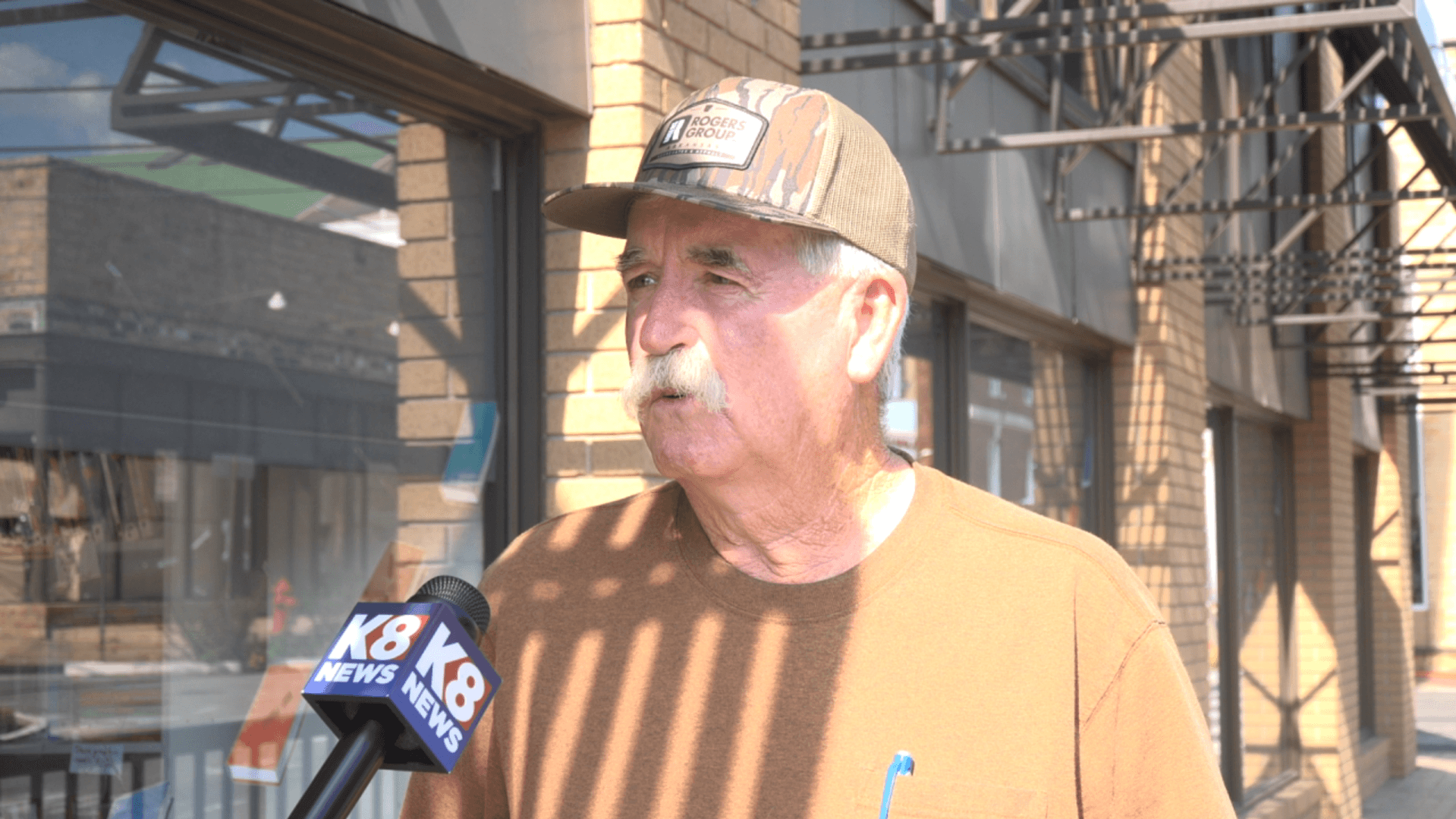
“When you got a drought, you don’t have anything blooming, like clover and stuff that they feed on,” said longtime beekeeper and club member Steve Millikin. “They start eating their honey that they’ve made all summer long. And then when winter gets here, they won’t have anything to eat.”
To sustain their hives, beekeepers turn to supplements such as sugar water during the late fall. Once winter arrives, many transition to feeding the bees dry, candied sugar. Such methods help colonies survive, but care must be taken to minimize interference from other bees or potential hive intruders.
“You have to be careful, because you might call some robbers to come in and they’ll get in there and they’ll have a big fight and you got a big problem,” Millikin explained. “So you got to feed the bees without the other bees knowing you’re feeding them.”
The community group gathers on the last Wednesday of every month at the Independence County Library. Organizers emphasized that meetings are free and open to anyone interested in beekeeping, regardless of experience.
The ongoing drought highlights the challenges faced by beekeepers across Arkansas, where extreme weather conditions can impact not only honeybees but also the broader agricultural ecosystem that depends on pollination.