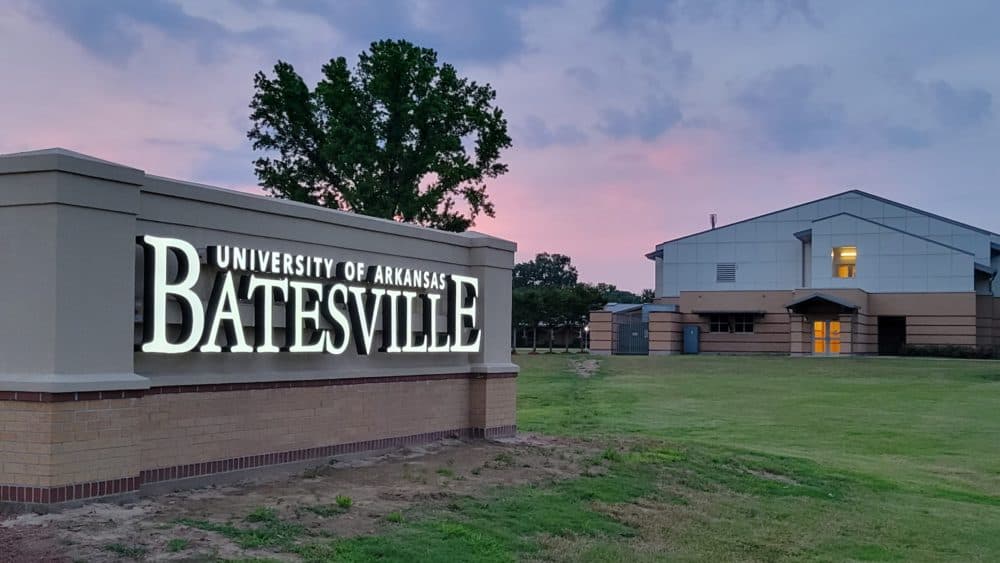
The University of Arkansas Community College at Batesville (UACCB) has launched a scholarship designed to support local first responders and public servants pursuing higher education. The "Public Service and Safety Scholarship" is available to full-time professionals employed in high-risk and hazardous roles.
Eligible recipients include law enforcement officers, firefighters, emergency medical technicians, and EMS personnel. The scholarship is also open to employees of state, county, and city highway and road departments, as well as state and county correctional officers, Division of Community Correction employees, state parks staff, and state forestry workers.
"Our public service and safety professionals face high-risk and hazardous situations every day in service to our communities," UACCB Provost Dr. Zach Perrine said. "Through the UACCB Public Service and Safety Scholarship, we are proud to offer financial support to help these dedicated individuals advance their educational goals."
The scholarship is structured to accommodate varying course loads, recognizing the unpredictable schedules of public servants. Students taking 15 credit hours in an academic year will receive a total of $1,250, divided equally between the fall and spring semesters. Those enrolled in 12 credit hours are awarded $1,000 annually, while students taking nine and six credit hours receive $750 and $500, respectively. Recipients can adjust their course loads each semester based on their work schedules, provided they maintain a cumulative grade point average of at least 2.50.
Students are eligible to renew the scholarship for up to five consecutive semesters. To qualify, applicants must complete UACCB’s standard admissions process, register for courses, and verify their full-time employment status through the UACCB Welcome Center before the start of their first applicable term. Employment verification is required annually to maintain eligibility.
While the scholarship may not be combined with other UACCB institutional awards, applicants are encouraged to complete academic tests such as the ACT or Accuplacer, as higher scores could qualify them for additional academic financial aid options.