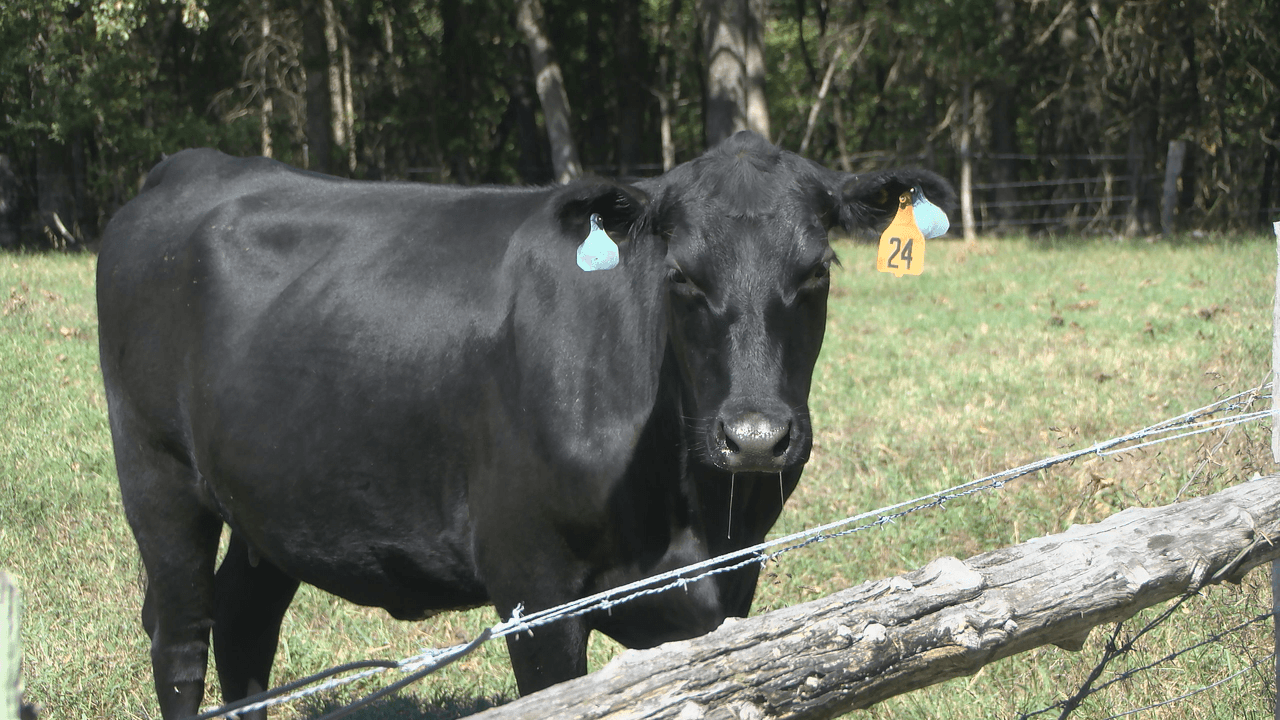
Lawrence County, Ark. — State testing has confirmed the presence of Theileria orientalis, a blood-borne parasite carried by the invasive Asian longhorned tick, in livestock within Lawrence County, according to the University of Arkansas Division of Agriculture.
The development makes Lawrence County the 19th in Arkansas to confirm either the tick, an infected animal, or both. In this case, infected livestock have been confirmed, though the tick itself has not yet been documented in the area. Bryce Baldridge, Lawrence County extension agent with the University of Arkansas Division of Agriculture, confirmed that his team will begin searching for the ticks next week.
The Ikeda genotype of Theileria orientalis, the most virulent strain of the parasite, was detected. It is capable of infecting sheep and goats through the bite of an infected tick, causing illness in livestock, including cattle. The disease, known as theileriosis, can lead to symptoms such as anemia, jaundice, weakness, stillbirths, and even death in cattle.
Currently, there is no evidence suggesting that Theileria orientalis poses any threat to humans or domestic pets. However, the parasite can spread between cattle through blood contact.
A particular concern for Baldridge is the parasite's ability to spread quietly, as infected animals may not always display outward symptoms. “It ends up 80% of your animals are positive for theileriosis,” Baldridge explained. “You didn’t know it. They weren’t showing any symptoms.”
The rapid reproduction of the Asian longhorned tick also poses a serious challenge. The tick requires a blood meal at every stage of its four-phase life cycle. During its final stage, an engorged tick can reproduce asexually, laying up to 2,000 eggs before dying.
Prevention is critical, according to Baldridge. He advises livestock owners to cut pastures short and limit enclosures near wooded areas to reduce tick exposure. Farmers are also encouraged to use clean needles and disinfect tools between animals to minimize bloodborne transmission of the parasite. “There’s no treatment for this disease, as of right now,” said Baldridge. “They’re working on it, but we don’t have an approved treatment right now.”
Stress is another factor that may worsen the condition for livestock. Baldridge noted that extreme heat, drought, or calving could potentially trigger symptoms of theileriosis in cattle, though the exact stress threshold remains unclear. He highlighted that much about the disease remains unknown, but ongoing research is underway.
Neighboring Sharp and Independence counties have reported both the presence of the tick and the Ikeda genotype, making vigilance in Lawrence County even more crucial. Despite the risks, Baldridge advises against panic. He emphasized that the University of Arkansas Division of Agriculture is committed to further prevention, research, and finding a cure.
“This is something that we have to deal with, but it’s not the end of the world,” Baldridge said.