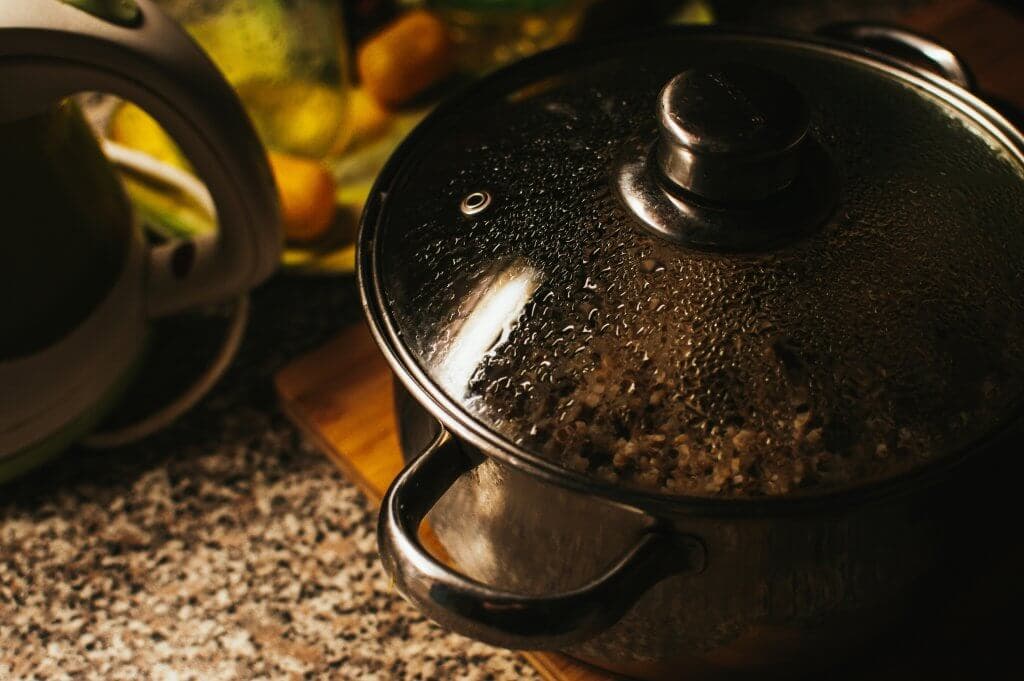
Slow cookers, known for their efficiency and convenience, are a popular choice for preparing meals at home. With proper safety practices, they can be used all year to provide flavorful and warm meals while reducing kitchen preparation time. In warmer months, they also help keep the kitchen cooler since they don't require the oven.
According to food safety experts, the combination of low temperature, extended cooking time, and steam from a tightly sealed lid allows slow cookers to destroy harmful bacteria effectively. However, safe food handling throughout preparation, cooking, and serving remains essential to prevent foodborne illness. The following guidelines help ensure safe use of slow cookers:
- **Start with clean hands and equipment:** Wash your hands before and during preparation. Ensure the slow cooker, utensils, cutting boards, and work surfaces are clean.
- **Thaw meat safely:** Always thaw meat or poultry in the refrigerator before adding it to the slow cooker. Avoid placing frozen meat directly into the appliance, as it may remain in the temperature danger zone for too long.
- **Keep ingredients cold until ready to cook:** Refrigerate perishable items like meat and dairy until mealtime preparation begins.
- **Layer ingredients strategically:** Place dense vegetables like potatoes, carrots, and onions at the bottom, as they typically take longer to cook, with meat or poultry layered on top.
- **Avoid overfilling the appliance:** For optimal cooking, fill the slow cooker only halfway to two-thirds full, following manufacturer instructions.
- **Keep the lid on** except when necessary to stir or check doneness. Removing the lid allows heat to escape, increasing cooking time.
- **Follow recommended recipes and guidelines:** Use the proper cooking times and temperature settings included in your slow cooker recipes. For extended cooking periods, opt for recipes designed for the low setting.
- **Check for doneness with a food thermometer:** Ensure meat and poultry reach safe internal temperatures; appearance alone isn’t a reliable indicator.
- **Keep cooked food hot:** Use the warm setting if available to maintain safe serving temperatures after cooking. Note that the warm setting should never be used for cooking raw foods.
- **Handle leftovers promptly:** Refrigerate leftovers within two hours of cooking. Divide large portions into shallow containers to cool quickly and store them for three to four days or freeze for longer preservation.
In the event of a power outage, safety becomes a concern. If you’re not home and the power goes out, discard the food to avoid potential health risks. If you're present, transfer the ingredients to another cooking method, such as a gas stove or outdoor grill, if safe and appropriate to do so.
For questions about food safety or slow cooker usage, the Baxter County Extension Office is available at 870-425-2335.