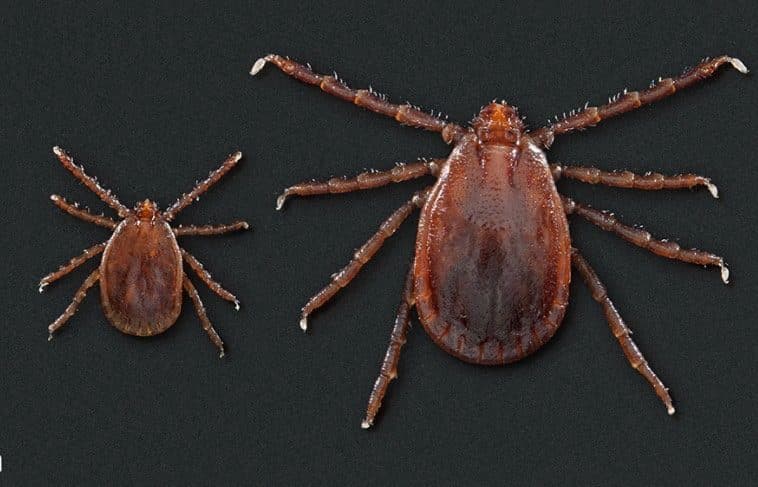
A case of Theileria orientalis Ikeda, a protozoal parasite that infects the red blood cells of cattle, has been confirmed in Lawrence County, the Lawrence County Extension Office announced.
The disease, comparable in symptoms to Anaplasmosis, can affect calves and pregnant heifers in addition to adult cattle. It is transmitted through blood-contaminated equipment, such as needles and tagging tools, or through the invasive Asian Longhorn Tick. The tick reproduces asexually, with a single female capable of laying up to 2,000 eggs after feeding on an animal, enabling rapid population growth.
Symptoms of Theileria orientalis include anemia, jaundice, fever, lethargy, abortion, and occasional mortality in affected cattle. There is currently no approved treatment for the disease, making proactive tick control measures essential in mitigating its spread and impact.
Local cattle producers are encouraged to monitor livestock for any signs of the illness. If symptoms are observed, contact a veterinarian immediately for guidance. Additionally, the Lawrence County Extension Office is seeking cooperation from residents to study the prevalence of the Asian Longhorn Tick in the area. Individuals willing to allow sample collection are asked to call the Extension Office at (870) 886-3741.
The disease primarily affects cattle but can also infect other ruminants, such as sheep and goats. However, officials note there is no evidence suggesting the specific strain of Theileria Ikeda found in cattle poses a risk to humans.
For more information about Theileria orientalis Ikeda and management of the Asian Longhorn Tick, visit the University of Arkansas Extension Service website or contact the Lawrence County Extension Office directly.