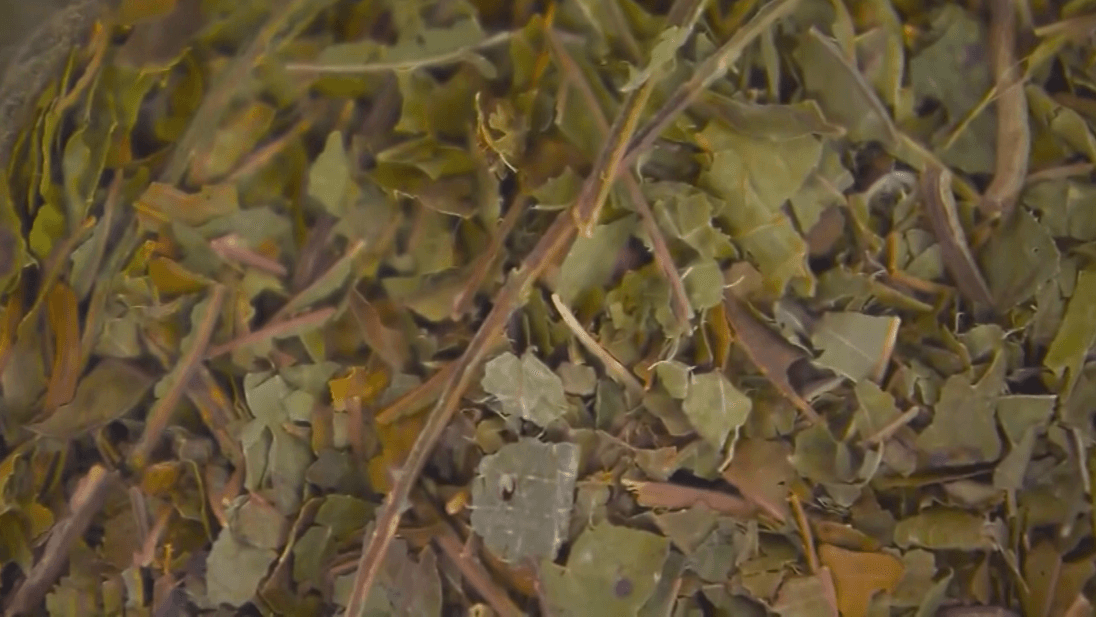
Kratom, a supplement derived from the leaves of a Southeast Asian tree, remains banned in Arkansas while remaining available across state lines, raising concerns among medical professionals about potential dangers.
Dr. Shane Speights, dean of the New York Institute of Technology College of Osteopathic Medicine at Arkansas State University, explained that while kratom is sold legally in states like Mississippi, its risks are considerable, particularly given the lack of federal regulation. The issue gained renewed attention after two University of Mississippi students were found dead. While authorities have not confirmed a link between kratom and the deaths, Speights emphasized the potential harm the supplement can cause.
According to Speights, the U.S. form of kratom — commonly found in pills or capsules — is significantly more potent than the raw plant due to its extraction process. “At higher dosages, unfortunately, it can cause respiratory depression and cardiovascular collapse, which means you stop breathing or your heart stops functioning correctly,” he said. The supplement acts on the brain’s opioid and stimulant receptors, and while it can produce stimulating effects at lower doses, it can lead to a dangerous high at higher amounts.
The Food and Drug Administration estimates that in 2021, roughly 1.7 million Americans aged 12 and older used kratom. Poison Control Centers have seen a steady rise in calls regarding the drug, with many stemming from its misuse in combination with other substances. “Largely, the biggest number of overdoses and calls to poison control are kratom being mixed with other substances to try to enhance delivery of the medication, trying to increase the euphoria, trying to increase the high — sometimes with devastating effects,” Speights said.
The regulation of kratom remains inconsistent across the United States. The federal government declined to reach a consensus on restrictions in 2016, leaving regulation to individual states. Although Arkansas has prohibited the sale and possession of kratom, neighboring states like Mississippi allow it. “Unfortunately, we know it doesn’t stop at the border,” Speights noted, highlighting the challenges posed by differing state policies.
Speights advised individuals to avoid the substance entirely or, at the very least, consult with a healthcare provider before considering similar supplements.
Kratom’s psychoactive effects, coupled with the risks associated with unregulated production and use, underscore why Arkansas has opted to keep it illegal. Medical professionals urge caution, particularly in light of the rising number of incidents reported to authorities.