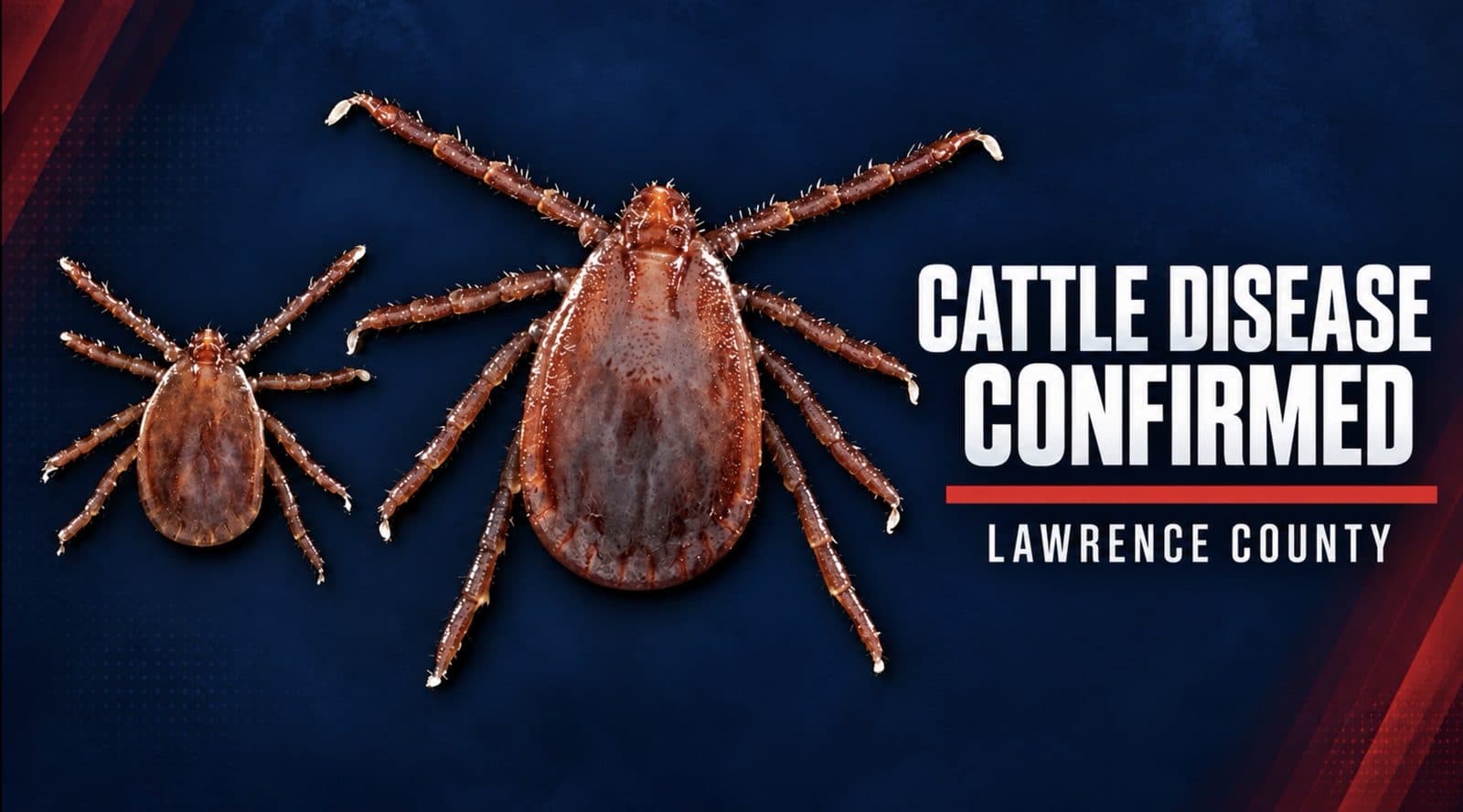
Lawrence County, Ark. — A case of the tick-borne cattle disease caused by the protozoal parasite *Theileria orientalis Ikeda* has been confirmed in Lawrence County, according to the local county Extension Office.
The parasite infects red blood cells, producing symptoms similar to bovine anaplasmosis but with key differences. Unlike anaplasmosis, *Theileria orientalis Ikeda* can affect both calves and adult cattle, including pregnant heifers, the Extension Office stated. Typical symptoms of the disease include anemia, jaundice, fever, lethargy, abortion, and, in some cases, death.
Producers who notice these signs in their cattle are urged to contact a veterinarian promptly, the county office advised.
The Asian longhorned tick is the primary vector responsible for spreading the parasite. The disease can also be transmitted directly between animals through blood-contaminated equipment, such as needles used during medical procedures, as well as tools for dehorning, castration, or tagging.
The University of Arkansas System Division of Agriculture notes that confirmation of *Theileria* in a county likely indicates the presence of the invasive tick species. Lawrence County Extension officials are collecting local samples to determine whether the tick is present in the area and, if so, how widespread its presence may be. Producers interested in assisting with sampling are encouraged to contact the office at 870-886-3741.
As of a state Extension map updated on Sept. 11, Lawrence County is one of 19 Arkansas counties with confirmed cases of the Ikeda genotype in cattle. Most counties with confirmed cases are concentrated in northern Arkansas.
The Division of Agriculture has emphasized that there is currently no evidence suggesting that the species of *Theileria* affecting cattle poses any risks to human health. Additionally, the agency reports that no approved treatments for theileriosis in cattle are available at this time.
For producers working their cattle this fall, awareness and preventive measures remain critical to minimizing risk.