Entergy Arkansas has withdrawn the federal lawsuit it filed to prevent the Arkansas Democrat-Gazette from reporting on details of its energy agreement with Google. The dismissal, filed Wednesday in U.S. District Court in Little Rock, follows a court decision denying the utility’s request for a temporary restraining order. The case had drawn criticism from press freedom advocates and Arkansas lawmakers.
The one-page notice of dismissal, submitted by attorneys Stephen Lancaster and Gary Marts of Wright, Lindsey & Jennings, was filed without prejudice, meaning Entergy could refile the suit in the future. No defendant had answered or filed motions in the case before it was withdrawn. The notice ends Entergy’s claims against the Democrat-Gazette, reporter Sydney Sasser, the Arkansas Times, and others involved, including central Arkansas nurse Jessica Kivell, who initiated the matter by filing a public records request.
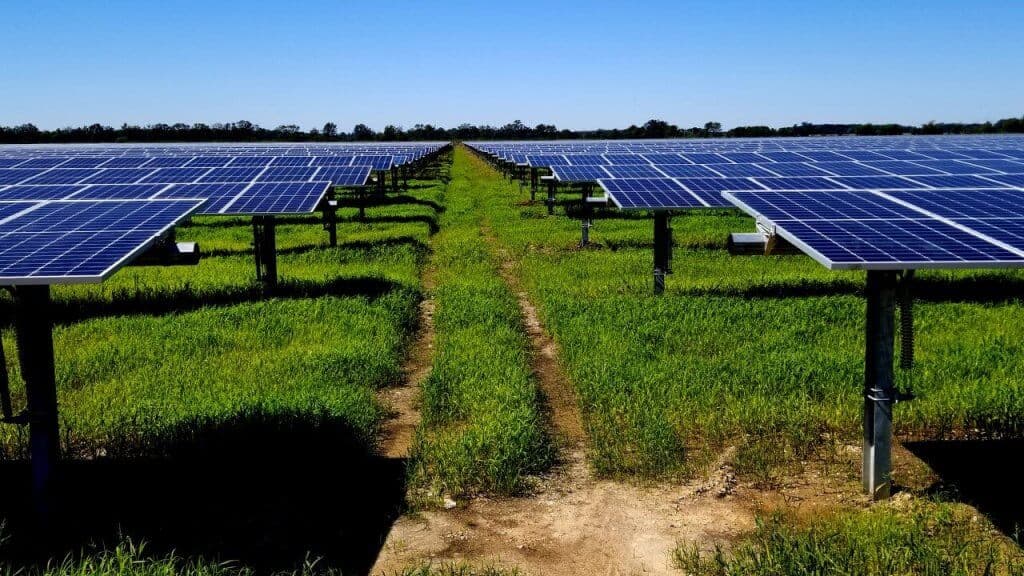
The dispute arose after Kivell requested details of Entergy’s agreement with Google from the Arkansas Public Service Commission under the state’s Freedom of Information Act. The commission released the documents, later calling the release inadvertent. Kivell forwarded the information to the Democrat-Gazette, which had independently sought the same records. The newspaper published an article on Aug. 31 that disclosed financial terms of Google’s agreement tied to a $1.6 billion solar and battery plant, Cypress Solar, that Entergy is building in Jefferson County.
The report stated that Google would contribute $526 million toward the project and face a $2 billion termination fee if it exited the agreement prematurely. Entergy claimed the published details violated trade secret protections and sought an order to block further disclosures and remove previously published information. However, U.S. District Judge Lee Rudofsky refused the request on Sept. 2, emphasizing the high bar for restricting press freedoms.
Entergy spokesperson Lamor Williams later defended the lawsuit, calling it a necessary step to protect confidential customer data, which the company is legally obligated to safeguard. Conversely, Democrat-Gazette Executive Editor Lee Wolverton described the suit’s dismissal as a victory for First Amendment protections, and Arkansas Times Editor Austin Gelder argued the case highlighted the importance of transparency.
The conflict attracted political attention, with State Sen. Mark Johnson, R-Ferndale, publicly criticizing Entergy’s actions during a legislative committee meeting on Tuesday. Johnson questioned the legality and wisdom of the lawsuit while raising concerns about the financial burden placed on Entergy’s ratepayers, including additional charges related to new power projects funded under Arkansas’s Generating Jobs Act of 2025.
A core issue remains the timeline for Google’s financial contributions. Entergy ratepayers began covering Cypress Solar construction costs through a monthly rider fee in June, but Google is not expected to begin payments until 2027 and will phase toward its full electricity demand by 2029. Entergy argues that its agreement with Google will ultimately benefit ratepayers by spreading fixed costs across a larger customer base. However, the details behind the utility’s $1.1 billion net benefit projection remain sealed.
The withdrawal of the lawsuit ends the immediate legal battle, but questions over the transparency and fairness of Entergy’s energy agreements persist. Lawmakers and the Democrat-Gazette have signaled they will continue to scrutinize how such deals affect Arkansas ratepayers.