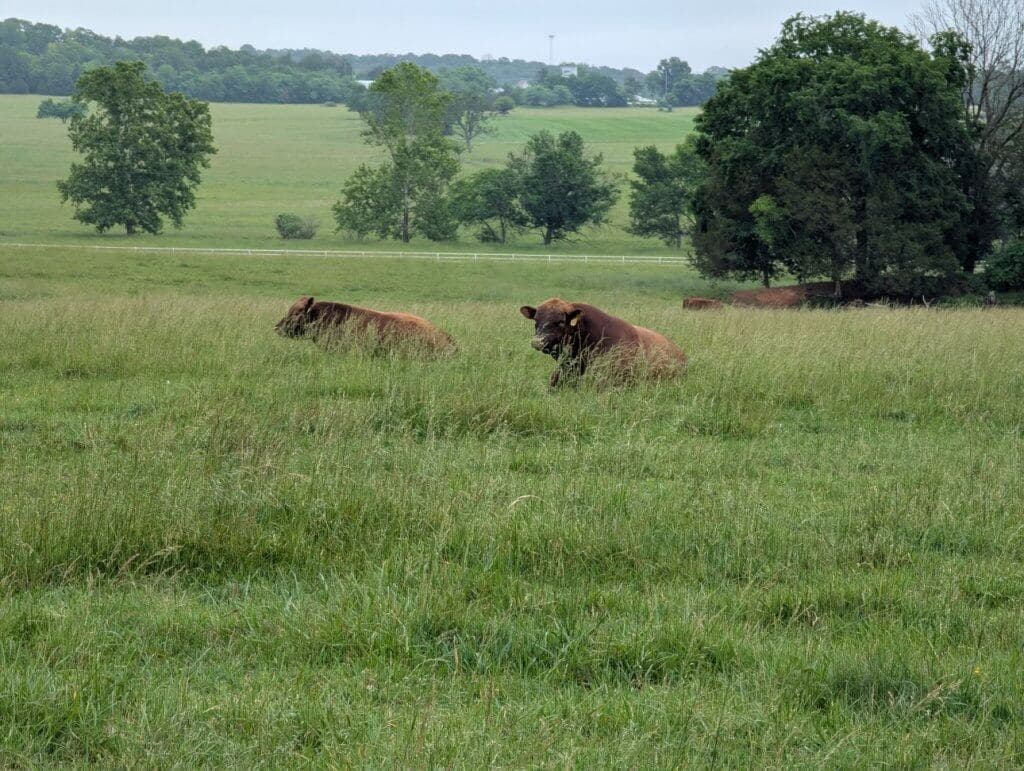
Ground beef is a cornerstone of many American meals, appearing in dishes such as burgers, tacos, spaghetti sauce, meatloaf, and chili. Beyond its culinary versatility, the product is also an integral part of Arkansas' agricultural economy.
According to the USDA National Agricultural Statistics Service, Arkansas farms housed approximately 1.56 million cattle and calves as of January 1, 2026. The state’s cattle industry is a significant contributor to agriculture and rural development, with cash receipts from cattle and calf sales projected to reach $975 million by 2026, according to the University of Arkansas System Division of Agriculture.
Shopping for ground beef often involves choosing between lean-to-fat ratios, such as 73% lean/27% fat, 80% lean/20% fat, or 90% lean/10% fat. Each ratio suits different types of recipes. For example:
- **73% lean/27% fat** works well in dishes where excess fat can be drained, such as spaghetti sauce and sloppy joes. - **80% lean/20% fat** is a versatile choice for burgers, meatloaf, or meatballs. - **85% lean/15% fat** is often used for casseroles and combination dishes. - **90% lean/10% fat or leaner** is ideal when reducing fat content in recipes like casseroles.
While ground beef and hamburger may seem interchangeable, there is a federal distinction: ground beef must not have added fat, while hamburger may contain added beef fat. Both products must adhere to federal standards limiting fat content to no more than 30%.
Nutritionally, ground beef provides high-quality protein, iron, zinc, vitamin B12, and other essential nutrients, contributing significantly to a balanced diet.
Buying ground beef from local stores helps connect consumers to Arkansas ranchers and farmers who work to raise cattle. The 2022 Census of Agriculture reported $687 million in sales of cattle and calves in Arkansas, emphasizing the essential role of this industry in the state’s economy.
Food safety is vital when handling ground beef due to its increased surface area, which can harbor bacteria. Recommendations from food safety experts include:
- Refrigerating ground beef promptly after purchase. - Using refrigerated ground beef within 1–2 days, or freezing it for later use. - Keeping raw meat separate from ready-to-eat foods. - Washing hands, utensils, and surfaces thoroughly after handling raw beef. - Cooking ground beef to an internal temperature of 160°F, confirmed with a food thermometer.
By keeping safety measures in mind and choosing the right lean-to-fat ratio, ground beef can be a nutritious, reliable addition to your family’s meals. At the same time, each purchase supports Arkansas communities and the cattle industry that sustains them.