Izard County, Arkansas, was the first in the state to declare a drought emergency during the current dry spell, underscoring the growing fire danger and challenges faced by local residents.
County Judge Eric Smith said the intense heat is complicating his responsibilities as both an official and a rancher. Wildfire risks remain top of mind following reports of fires elsewhere in the state, including one in southern Arkansas. Smith noted the county took early action given the potential for similar fires in their area.
“It could have happened here also,” Smith said.
Elevated fire risks are a pressing concern for the county's largely volunteer fire departments. Even small sparks pose a significant threat. Smith described a recent incident in which routine hay cutting near Melbourne ignited a blaze. The fire scorched about 15 acres and came perilously close to three homes before being contained.
“Just the other day there was somebody cutting hay right here in town,” Smith explained. “It sparked a fire, burned off about 15 acres, got really close to three houses.”
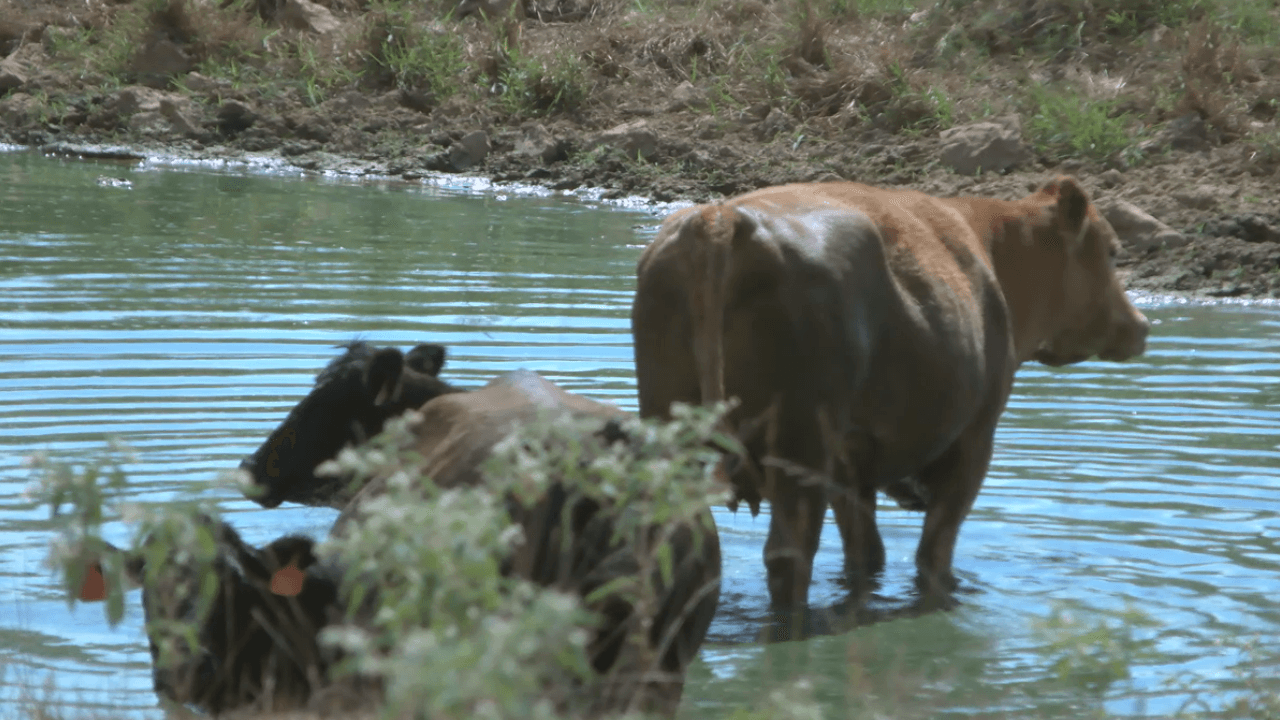
Smith also pointed to the toll the drought has taken on ranchers. Many farmers are struggling to provide sufficient water for their livestock as ponds have dried up. Near the county courthouse, new watering devices have been installed to draw from city water supplies to address the shortfall.
“This winter ... if we don’t get rain before this winter, and fill the ponds back up, I mean, they’re—it’s just going to be ice,” Smith said. “So, there won’t be any water there for them to drink.”
The drought has also diminished local hay production. While the first cutting of the year was abundant, Smith said the second, if completed at all, yielded hay lacking adequate nutritional value.
“The grass is dying back,” he said, emphasizing the struggles ranchers face in keeping livestock fed under these conditions.
Concerns also extend to those working outdoors, as high temperatures exacerbate already difficult circumstances. Smith warned that a large fire could easily overwhelm the county’s volunteer resources, leaving firefighters unable to respond effectively.
“The fire departments wouldn’t be able to handle that,” he said.
Officials continue to monitor the situation and are urging residents to exercise caution to prevent further fires. Meanwhile, the lack of significant rainfall remains a looming challenge as efforts persist to manage impacts on both the local community and agricultural operations.