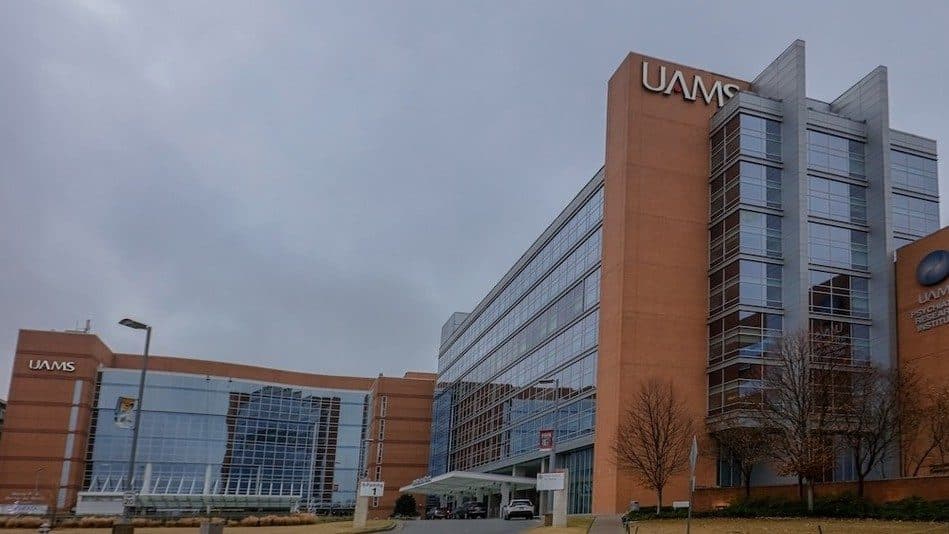
As rural Arkansas hospitals grapple with rising costs and low reimbursement rates, many are forging partnerships to sustain operations and improve patient care. Among recent collaborations, the University of Arkansas for Medical Sciences (UAMS) has assumed co-management roles at Mena Regional Health System in western Arkansas and Helena Hospital in the Delta. Leaders of both institutions expressed optimism about the partnerships.
Mena Regional CEO Paul Ervin described the collaboration as crucial for the hospital’s long-term viability. "Having strong, solid partners to build service lines or brand recognition with is going to become important," Ervin said. Helena Hospital interim CEO Rex Jones echoed the sentiment, stating that maintaining independence may no longer be sustainable for small hospitals in the current economic landscape.
The push for partnerships like these arises amid broader challenges for healthcare providers nationwide. In the first six months of 2026, 40 hospitals across the U.S. were involved in mergers or acquisitions—one of the highest numbers for a comparable period in the last decade. Experts see consolidation as a growing trend for hospitals aiming to weather financial pressures.
Low reimbursement rates from both private and public insurers exacerbate the financial strain on Arkansas hospitals, which must also contend with rising labor, equipment, and administrative costs. UAMS Chancellor Dr. C. Lowry Barnes noted that as more patients rely on self-pay—which sometimes equates to no pay—fewer payment sources further burden the system.
Hospital administrators have pursued federal designations to secure additional funding. In late 2024, Mena Regional transitioned to critical access status, enabling higher reimbursement rates for inpatient Medicare treatments. Magnolia Regional Medical Center followed suit a year later. Critical access hospitals, which typically serve rural areas, must meet specific criteria, including a 25-bed limit and providing 24/7 emergency care. Across the U.S., nearly 1,400 hospitals hold the designation.
While the classification has bolstered Mena's financial footing, the UAMS partnership offers additional resources, including a radiology technician training program and rotations for family medicine residents. Ervin emphasized the value of UAMS’ telehealth services, which reduce unnecessary patient transfers by allowing specialists to consult remotely in areas like maternal-fetal medicine, cardiology, and neurology. This capability proves especially critical in western Arkansas, a region with limited maternal health resources.
Helena Hospital underwent similar changes, reducing inpatient services to qualify as a rural emergency hospital, another designation meant to increase federal funding. Jones, however, cited physician shortages as a pressing concern, with many local doctors nearing retirement. He and Mena’s Ervin hope that these partnerships can help attract new medical professionals to rural areas. "Rural medicine," Jones said, "can be extremely attractive, economically and personally, for the right candidates."
Some Arkansas hospitals have already turned to acquisitions to stabilize their positions. Baptist Health recently took over Magnolia Regional Medical Center and South Arkansas Regional Hospital, while transferring its family clinics in Alma, Van Buren, Greenwood, and Fort Smith to Community Clinic, a Springdale-based healthcare system. However, Baptist Health has also faced challenges, cutting jobs and services at its Fort Smith location earlier this year.
These developments come against the backdrop of broader economic changes, including Medicaid cuts enacted under the One Big Beautiful Bill Act of 2025, which will reduce rural spending by $15.5 billion annually over the next decade. New work requirements are also expected to shrink Medicaid rolls in Arkansas, creating additional financial pressures for rural providers.
Ervin urged proactive measures to address the anticipated strain from uninsured patients. "Hopefully, between now and then, there’s going to be steps to shore up the shortfalls and keep people covered," he said, emphasizing the importance of sustaining healthcare access in underserved areas.