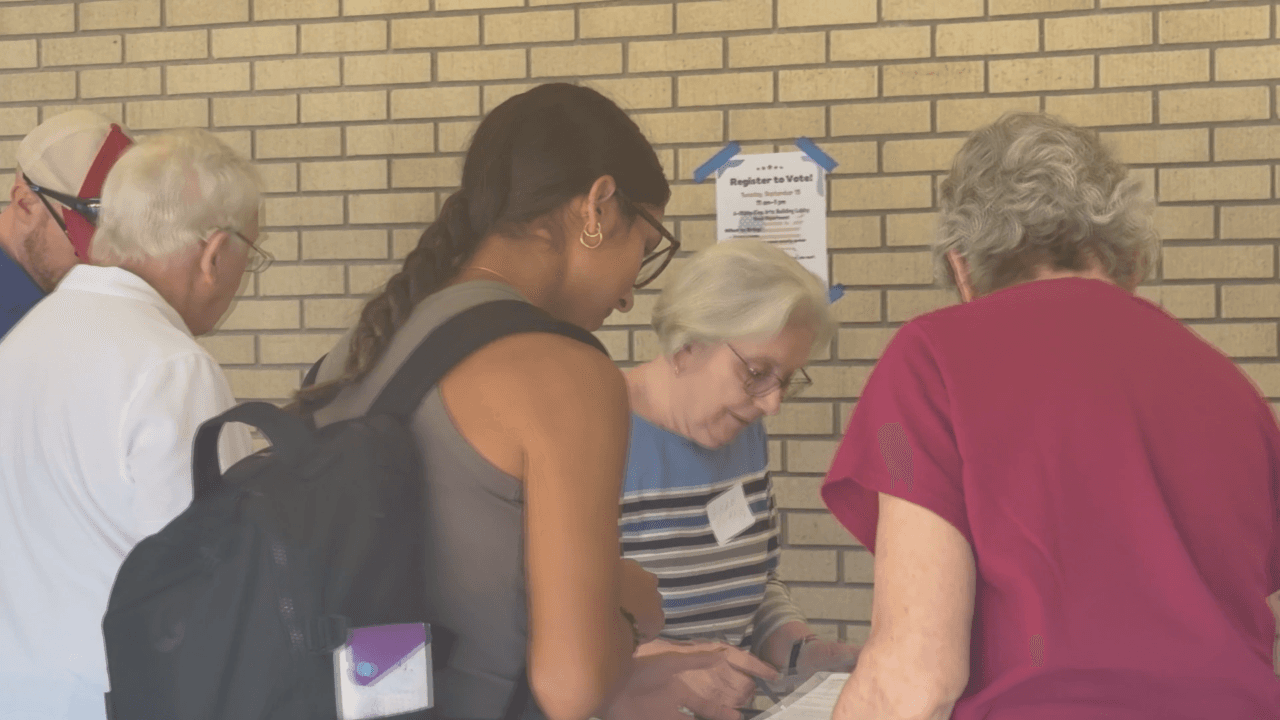
Arkansas holds one of the lowest voter turnout rates in the United States, with only about 25% of eligible residents casting votes in recent primary elections. This ranks the state last nationwide in voter participation, leaving critical decisions in the hands of a small segment of the population.
Researchers and local leaders are working to understand why so few Arkansans vote and are seeking ways to improve turnout. Dr. Cameron Wimpy, chair of the Department of Government and Policy at Arkansas State University, attributes part of the problem to economic and educational disparities.
“One of the reasons we’ve found relates to demographics. We consistently see that people with higher levels of education and income tend to vote at higher rates. Arkansas ranks low in those categories, and I think that’s part of it,” Wimpy explained.
Dr. Wimpy noted another significant challenge for college students, particularly those studying far from their home counties or even out of state.
“Some students are from out of state or out of the country. They don’t always see being at the university as connected to voting. They’re registered back home, so they need to either vote absentee or travel back during the election period,” he said. “This can be difficult depending on where they are originally from.”
For young adults, the voting process itself can feel intimidating. Nayumi Rodriguez, a senior at Arkansas State University, shared how the unfamiliarity of voting can sometimes deter young voters.
“Voting is super new, especially when you turn 18 and gain that privilege. It’s all about making sure you're filling out everything correctly so that the vote counts,” Rodriguez said.
Despite these challenges, Rodriguez emphasized the importance of civic participation for young people.
“As scary as registering or casting your vote may seem, it’s important to use our voices. Even though we’re young, we are the future of this country,” Rodriguez said, adding that fostering awareness and comfort with voting is critical for shaping a better future.
While Dr. Wimpy noted that there is no singular cause for Arkansas’ low voter turnout, he emphasized that ongoing research is vital to identifying barriers and finding ways to engage more residents in the democratic process.