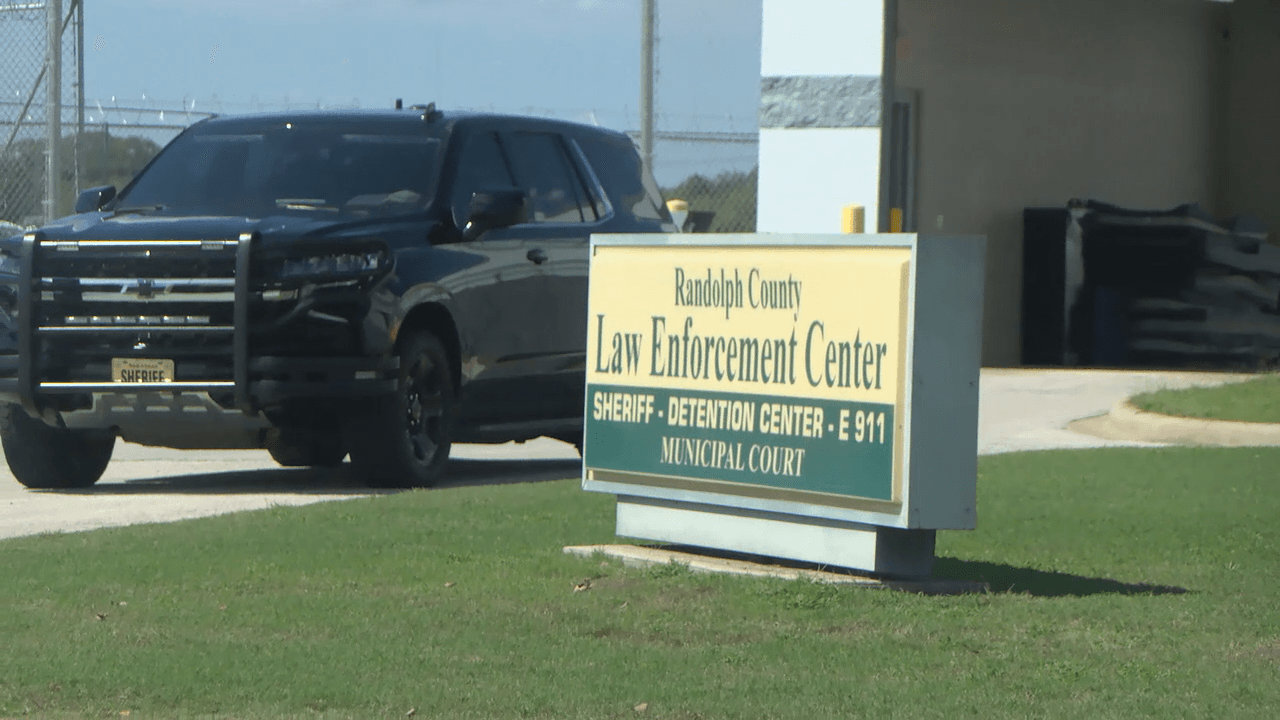
Pocahontas, Ark. — This November, Randolph County voters will decide on a quarter-cent sales tax aimed at funding county law enforcement, a measure that officials say may determine the future of local 911 dispatch services.
Randolph County Sheriff Kevin Bell addressed residents at Black River Technical College, outlining the financial challenges facing the county’s public safety infrastructure and the reasoning behind the proposed tax increase. According to Sheriff Bell, the new sales tax would provide revenue exclusively for public safety needs, including county jails, courtrooms, police facilities, and E-911 dispatch services.
Bell emphasized that a sales tax increase is a better option than a millage hike, highlighting that the county’s current millage rate of 42.76 is among the lowest in Arkansas, as reported by the Arkansas Department of Finance and Administration.
The sheriff explained that the rising operational costs of the county's dispatch center have outpaced revenue, creating a budget deficit. The dispatch center operates with a budget of approximately $600,000 but faces significant financial strain. In contrast, neighboring Greene County has offered to consolidate dispatch services with Randolph County for an annual cost of $400,000, which Bell said could help offset the deficit.
However, consolidation comes with notable drawbacks, according to Bell. He cited state law, which prohibits counties that consolidate their public safety answer points from establishing new 911 dispatch centers in the future. Additionally, he raised concerns about the potential complications of outsourcing dispatch operations to a neighboring county.
“We’re going to have to have a person dedicated to just, as a carrier, carrying information and stuff back and forth because, I mean, the actual document has to be in dispatch by law,” Bell noted, explaining the logistical challenges of such a move. He also underscored the importance of local dispatchers’ familiarity with the area for effective emergency response.
Sheriff Bell reported that the department’s overall budget for 2026 stands at approximately $1.1 million. Much of its regular revenue currently depends on inmate labor and commissary sales, including fees from phone services used by jail inmates.
If approved, the quarter-cent sales tax is intended to bolster these critical services and help maintain local control over emergency operations. Voters will determine the measure’s outcome during the November election.