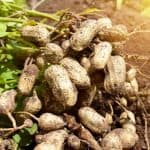
Around 80% of Arkansas's peanut crop is stuck in the ground after Delta Peanut lost its federal warehouse bond, leaving nearly 90 farmers in the eastern part of the state scrambling for storage options as the harvest season winds down.
State law mandates that peanuts must be dried, processed, and stored in a federally bonded warehouse after harvesting. With the U.S. Department of Agriculture (USDA) pulling Delta Peanut’s bond due to reported financial constraints, growers are left without a vital resource to move their product to market. Allan Donner, president of the Arkansas Peanut Growers Association, warned of the serious consequences farmers now face.
“These 90 growers do not have a home for this crop that’s in the ground right now,” Donner said. “We don’t have the ability to go put them in a barn somewhere. They have to be dried, they have to be handled, and, like I said, they have to go in a federally bonded warehouse to be able to store them.”
With Delta Peanut sidelined, Birdsong Peanuts in Portia, the only other storage facility in the state, is already operating at full capacity. Transporting the crop to out-of-state bonded warehouses would mean hauling peanuts over 350 miles, a costly endeavor as diesel prices remain high.
Farmers have invested months of work and significant financial resources—often tens of thousands of dollars per acre—on seed, fuel, and fertilizers, only to face an uncertain future just weeks before bad weather could jeopardize the crop. Donner explained that timing is critical during the final stages of peanut production.
“I’m going to say we’re going to start losing yields anytime after two to three weeks from now if we’re not getting them turned up, if they’re not inverted ready to harvest,” he said. Waiting too long risks losing pods entirely, while early harvest could expose peanuts to heavy rain or freezing temperatures, further reducing their marketability.
Delta Peanut is reportedly exploring options to bring in an out-of-state operator to temporarily oversee its Jonesboro facility and ensure this year’s crop can be processed. Meanwhile, members of Arkansas’s congressional delegation, including U.S. Representative Rick Crawford and Senator John Boozman, are working to accelerate discussions with federal regulators and financial organizations.
“We have extended help from Representative Crawford and Boozman both to see what they can help facilitate the USDA side of it,” Donner added. “It’s something that we hate to see go away, and so we hope that this will be facilitated so we can get our crop out.”
Without swift action, Arkansas’s peanut farmers could face steep financial losses, putting livelihoods and a key crop for the region at significant risk.