The federal government has approved Arkansas’ proposal to consolidate its 10 independent workforce development boards into a single statewide entity, according to an announcement Thursday from the Arkansas Department of Commerce. The plan also integrates two major federally required programs—the Workforce Innovation and Opportunity Act (WIOA) and the Carl Perkins Career and Technical Education Act—into one cohesive state strategy. This marks the first time Arkansas has undertaken such consolidation.
The Workforce Innovation and Opportunity Act, passed in 2014, is designed to help job seekers access the employment, education, and training they need to succeed. The new plan, set to take effect on July 1, 2027, shifts the responsibilities of local workforce boards to the Arkansas Workforce Development Board. According to state officials, this creates an “integrated approach” that connects K-12 education, higher education, and workforce training into a unified career pathway system.
Currently, local workforce boards set regional job-training priorities and collaborate with community colleges, training providers, and employers. The revamped structure aims to reduce administrative expenses and redirect those funds to job-training programs and services for Arkansas residents. The draft plan projects that approximately $6 million in annual costs will be reallocated from duplicative overhead to direct services for individuals and employers.
Arkansas Workforce Connections, a division of the Department of Commerce, will manage service delivery under this streamlined system.
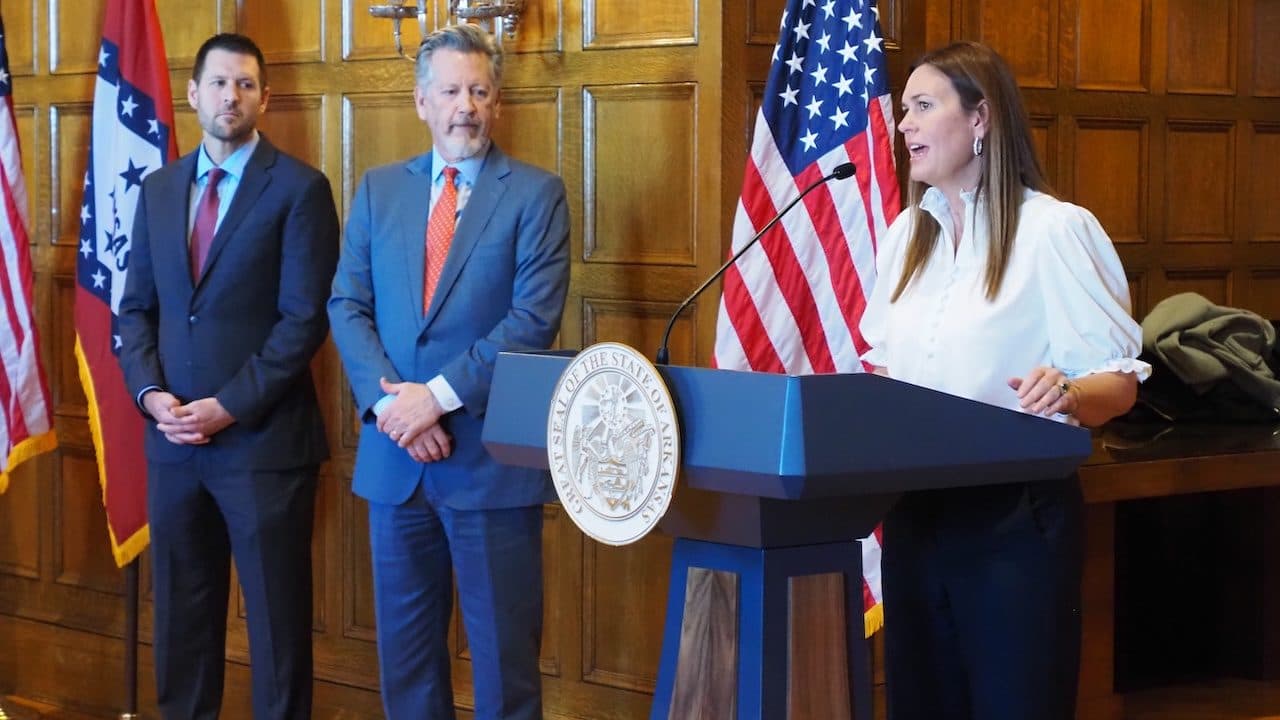
Governor Sarah Huckabee Sanders celebrated the plan’s approval, describing the changes as an example of efficient governance. “Arkansas taxpayers deserve a workforce system that spends its money on people, not paperwork,” Sanders said in a press release. “By consolidating ten boards into one statewide system, we are moving millions of dollars out of overhead and into training and serving hundreds more Arkansans every year.”
Commerce Secretary Hugh McDonald characterized the plan’s approval as a critical step forward for modernizing workforce development in the state. “This decision enables Arkansas to better meet the needs of our workers and industry partners,” McDonald said.
The plan aligns with national trends. In May, the U.S. Departments of Education and Labor reported that 21 states had submitted combined WIOA and Perkins plans this year, up from nine in 2024. The integrated approach is intended to improve efficiency and outcomes by ensuring workforce development efforts address both educational and employment goals.
The Department of Commerce emphasized that the shift will provide a more comprehensive, statewide workforce development system, supporting both employees and employers with enhanced resources and services.