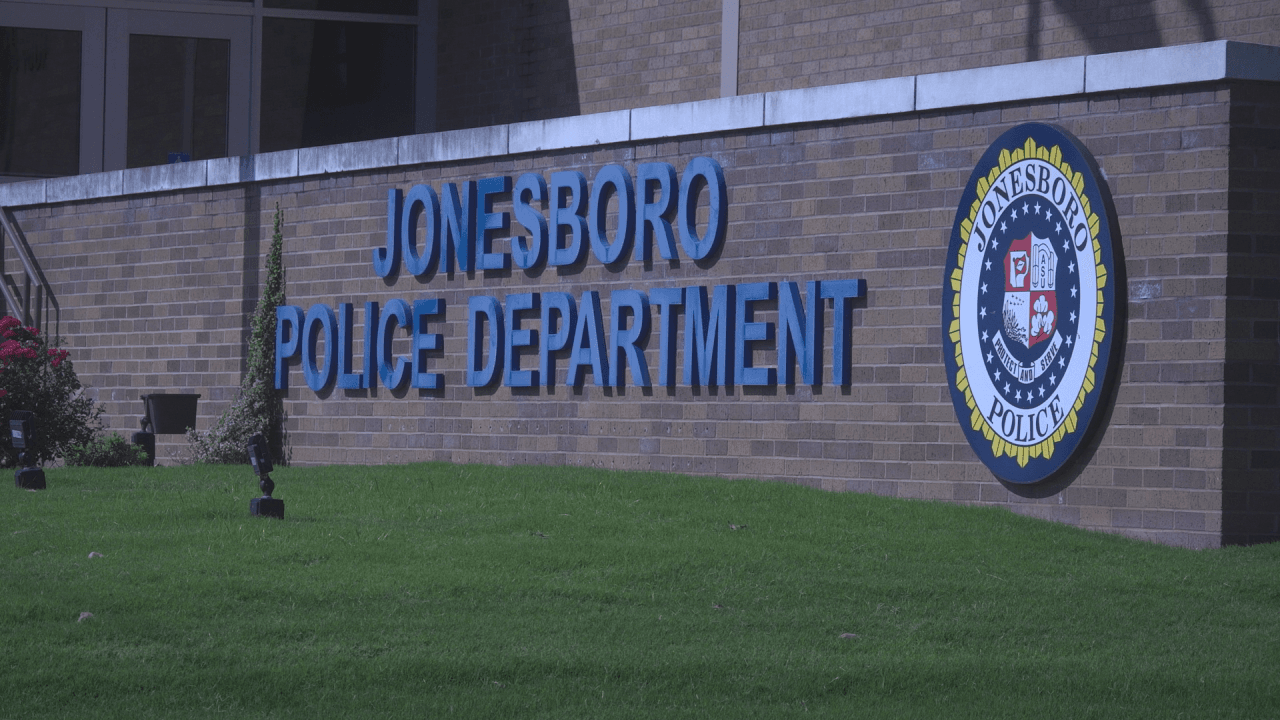
JONESBORO, Ark. — A proposal to establish a dedicated public safety sales tax is officially advancing to the November ballot after organizers successfully collected the required number of voter signatures.
Safety First for Jonesboro, a committee comprising local police, firefighters, and E911 dispatchers, announced Thursday that it had gathered 4,239 verified signatures from registered Jonesboro voters—well above the 3,592 minimum required to qualify the initiative for the general election on Nov. 3.
The tax proposal now moves to the Jonesboro City Council, which must formally place the measure on the ballot.
“We appreciate the citizens of Jonesboro supporting Safety First for Jonesboro by providing enough signatures to get this initiative on the ballot,” said Matt Garrett, chairman of the committee and president of the Jonesboro Professional Firefighters Association. “We look forward to talking with residents about the greatly needed public safety infrastructure improvements to help keep our citizens safe.”
If approved by voters, the measure would enact a 5/8-cent (0.625%) city sales tax. Revenue generated by the tax would be restricted to public safety services, including police, fire, and E911 communications. The Jonesboro City Council would oversee how the funds are allocated, but state law requires the money to be spent exclusively on those services as outlined in the proposal.
According to representatives of Safety First for Jonesboro, the additional funding would address critical needs within the community's public safety infrastructure.
Committee leaders include Garrett, treasurer Chris Nugent, Jonesboro Police Detective Shay Racy, and Jason Dyck, who represents E911 dispatchers.
Local officials note the effort is part of a broader trend among Arkansas cities seeking to bolster public safety funding through similar initiatives. Recent examples include successful sales tax campaigns in Paragould (2024), Fort Smith (2025), Conway (2025), and Maumelle (2026).
The November election will give Jonesboro residents an opportunity to weigh in on the proposed tax and the priorities it aims to address.