TONTITOWN, Ark.—The Tontitown Grape Festival, an enduring summer tradition in northwest Arkansas, has drawn thousands of visitors each August to celebrate Italian heritage with grape ice cream, carnival rides, and homemade spaghetti dinners. But this year, a call for a boycott by an immigrant advocacy group has brought an unexpected layer of controversy to the century-old event.
Alliance for Immigrant Respect and Education (AIRE), which advocates on behalf of immigrant communities, cited fears sparked by the Tontitown Police Department’s recent participation in a federal immigration enforcement program known as 287(g). AIRE expressed concerns that the program could lead to racial profiling and a chilling effect on immigrant residents engaging with law enforcement.
Tontitown Police Chief Corey Jenison said his department’s involvement in the program is designed to help officers identify noncitizens with outstanding criminal records and ensure community safety. Under 287(g), local law enforcement can collaborate with federal Immigration and Customs Enforcement (ICE) on certain immigration-related duties. The move aligns with a 2025 Arkansas law mandating certain participation in 287(g) by correctional facilities and law enforcement agencies.
"This agreement allows us to work with immigration authorities, giving us another tool to keep our community safe," Jenison said in an interview. He emphasized that officers are not conducting stops based on appearance or asking individuals' immigration statuses unless it relates directly to criminal investigations. "We don’t want anybody to fear contacting us for help," he added.
Nonetheless, AIRE has urged residents and visitors to avoid spending money in Tontitown until the city withdraws from the program. In a public statement, the group said, "We believe our community has the right to support businesses and municipalities whose policies reflect dignity, safety, and inclusion for all residents."
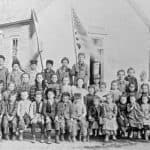
For the festival’s organizers, the boycott adds complications to an event that has deep historical roots. The Grape Festival began as an informal picnic in 1898 when Italian immigrants, led by Father Pietro Bandini, celebrated their new settlement in the Arkansas Ozarks. The Italian-American enclave in Tontitown formed after many families relocated from harsh conditions on a plantation in southeastern Arkansas.
Bandini, a steadfast advocate for Italian immigrants, helped the settlers endure hostility from local residents, including land scams, arson, and other acts of intimidation. Over time, the picnic evolved into a harvest festival showcasing the grapes cultivated by the community. Today, proceeds from the five-day celebration support St. Joseph Catholic Church, which founded and continues to organize the event. According to Festival Chairman Blake Ceola, the fundraiser accounts for approximately a quarter of the church’s operating budget.
"We’d like to see everyone come out and enjoy the festival," Ceola said. "This is about the community and its history—it’s a way for old friends and neighbors to reconnect. But if people want to protest, that’s their right, and we’ll be accommodating."
The festival also serves as a touchstone for Italian-American descendants and others interested in the area's immigrant legacy. Just across from the festival grounds, the Tontitown Historical Museum displays artifacts chronicling the settlement's formation, including photos, newspaper clippings, and relics from St. Joseph’s original church. Museum manager Emily Pianalto-Beshears emphasized that the struggles of Tontitown’s founding families mirror challenges faced by today’s immigrant communities.
"Our story is being retold with a different group of people—the new other," Pianalto-Beshears said. "When you look into your genealogy, unless you are Native American, you have an immigrant story. This is a hard truth many still wrestle with."
Tontitown's demographics have shifted in recent years. While the original Italian influence remains evident—from historic restaurants to monuments honoring early settlers—2020 Census data shows the town’s population now includes Hispanic, Black, Asian, and mixed-race residents. Currently, over 6% of Tontitown’s 8,000 residents identify as Hispanic or Latino.
With the Grape Festival days away, the debate over the city’s participation in 287(g) continues to simmer. Despite concern over potential protests, Chief Jenison insists that immigration enforcement will not have a presence at the celebration, which relies on off-duty officers for basic security needs. "This isn’t about immigration—it’s about making sure the festival is safe for everyone," he said.
Still, AIRE remains firm in its stance. "We respect the church’s role in the community," the group said. "But we will continue peaceful economic campaigns to ensure our community knows about any policies that could risk fear or harm to immigrant families."