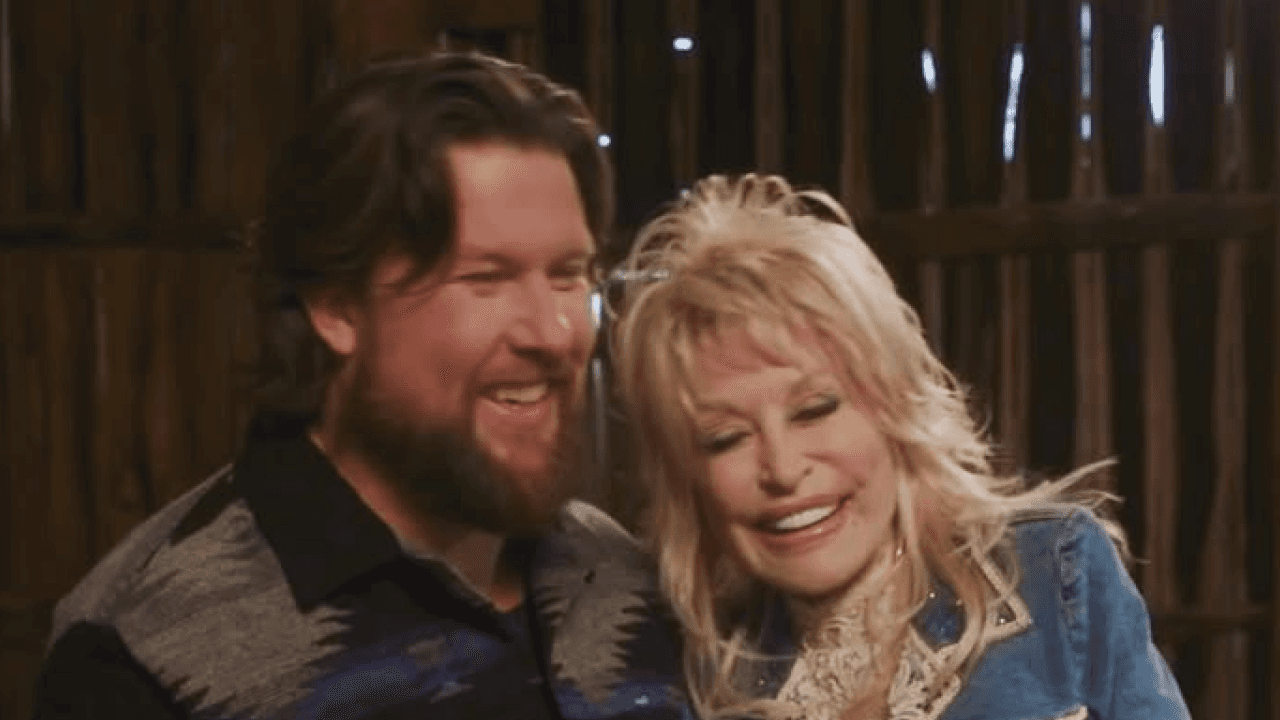
Dolly Parton’s passing is being mourned around the world, and for Bono native Zach Williams, the loss is deeply personal.
Williams, a Grammy-winning Christian singer-songwriter, spoke fondly of Parton’s infectious spirit, humor, and warmth. “She told me the day we met, you know, she said, ‘I didn’t even get through the song,’” Williams said. “I didn’t make it through the chorus. I knew it was special.”
The two artists collaborated on the 2019 song “There Was Jesus,” which later earned a Grammy for Best Contemporary Christian Music Performance/Song in 2021. The story behind their partnership began with an idea Williams initially dismissed as far-fetched. While seeking backup vocals for the track, his wife suggested calling Dolly Parton herself. “And I was kind of like, yeah, you know, ‘Who, who calls Dolly Parton?’” he recalled with a laugh.
But Parton did join the project—and according to Williams, quickly became a source of encouragement for him in the studio. “She said, ‘You’re going to win a Grammy for this song,’” he shared. “And I, you know, I was like, whatever. And then a few years later, you know, when it came out, we ended up winning a Grammy for song of the year ... Christian music.”
Williams shared that the faith-centered song held a special meaning for both of them, as it reflected his personal journey of redemption and faith. He said Parton’s presence brought warmth and authenticity to the project, confirming for him that her involvement was a perfect fit.
Reacting to her passing, Williams described feeling immense sadness. “And here we are sitting in a Mexican restaurant, you know, I said ... ‘Crying it at lunch in a Mexican joint wasn’t on my bingo card’... This is awful,” he said. By the following day, he shared, the reality of a world without Parton was still hard to comprehend.
“She was just...everything that you would hope someone like that would be,” Williams reflected.
Since her passing, Williams said listening to “There Was Jesus” has taken on a different, deeper meaning for him. He credits Parton’s contribution to the song as an indelible part of its power and legacy.