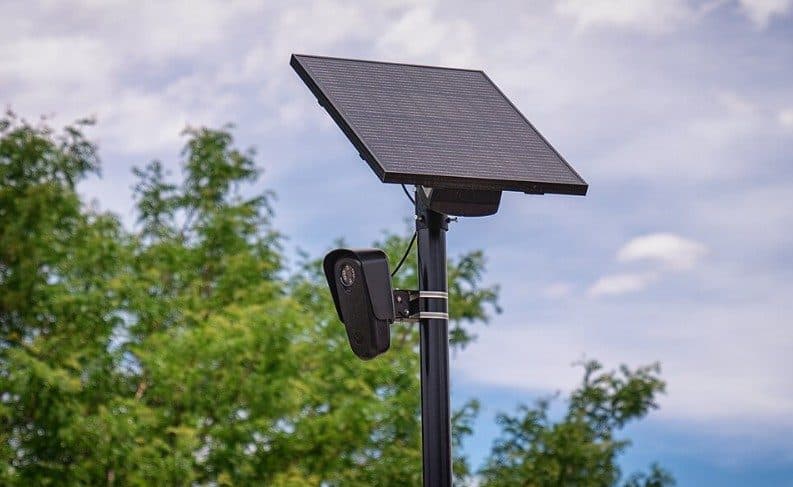
A growing backlash against automated license plate reader cameras has led several Arkansas municipalities to abandon the technology, even as law enforcement officials credit the tools with solving crimes statewide.
At least six cities — Centerton, Greers Ferry, Searcy, Mayflower, Farmington, and Pea Ridge — have allowed contracts with Flock Safety, an Atlanta-based provider of AI-powered cameras, to expire or terminated them early, according to the Arkansas Advocate. Cabot has temporarily disabled its cameras while conducting further review.
In Greers Ferry, Police Chief David Starbuck announced his department would suspend service and remove its cameras in response to public feedback, stating that public safety “must always be balanced with the privacy, trust, and concerns of the citizens.”
The cameras in question use artificial intelligence to capture images of passing vehicle license plates, creating a searchable, multi-jurisdictional movement database. Privacy advocates argue the system raises significant concerns, such as the potential for misuse of personal data and questions about searches conducted without warrants. The system’s scope is vast — in Little Rock, Flock cameras scanned 687,332 unique vehicles in a single 30-day period, the Arkansas Advocate reported.
Despite the pushback, law enforcement agencies describe the network as a critical tool for investigations. For example, Stone County authorities used Flock data on April 28 to locate a suspect with an active warrant tied to prior threats against a pharmacist at a Mountain View Walmart, leading to the individual’s arrest at the store. In another case, data from Flock cameras helped police identify a rental vehicle used in a series of burglaries in Mountain View and Tumbling Shoals. Two suspects were arrested on charges filed in Stone County Circuit Court after the incident.
Batesville Police Chief John Scarbrough has also publicly supported the technology. He cited cases where automated license plate readers had identified suspects involved in two separate incidents, assisting officers in their investigations.
However, concerns around operational errors and data privacy persist. Misread license plates have been reported, resulting in wrongful traffic stops. In response to criticism, Flock Safety announced last week a series of safeguards to be implemented by the end of 2026. These include shorter default data retention periods and requiring searches to be associated with a criminal case number. The company’s CEO, Garrett Langley, stated misuse of the system “at any level, is unacceptable” and highlighted existing audits designed to catch improper use of the platform. Langley also encouraged agencies to adopt optional transparency portals to improve accountability, though he stopped short of mandating such measures.
With Republicans holding a supermajority in the Arkansas General Assembly, some lawmakers signaled to the Advocate that automated license plate readers could come under legislative scrutiny during the next session in January.