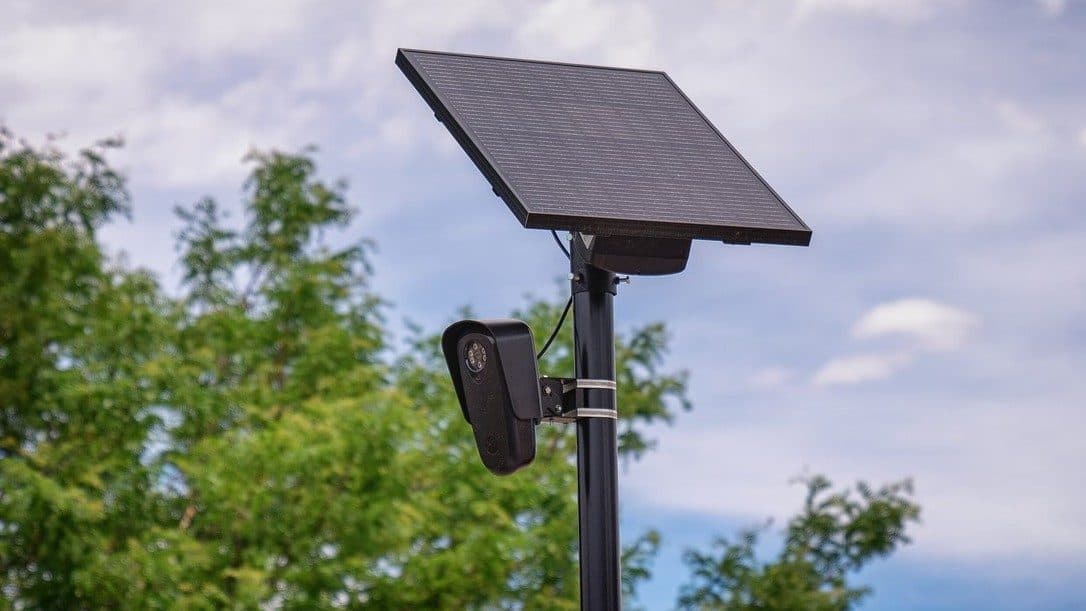
Several Arkansas communities have chosen to discontinue or reconsider the use of Flock Safety cameras, citing concerns about privacy, cost, and management. At least six cities—Centerton, Greers Ferry, Searcy, Mayflower, Farmington, and Pea Ridge—have ended their contracts with the company since late July. Cabot has also temporarily halted the system’s use while reviewing future options, officials confirmed.
Flock Safety, an Atlanta-based company, manufactures automated license plate reader (ALPR) cameras designed to capture images of passing vehicles. Using the company’s artificial intelligence platform, law enforcement agencies can track vehicle movements across jurisdictions based on shared data. While such technology is often praised for aiding investigations into stolen vehicles or missing persons, critics argue that it infringes on privacy rights and can be subject to misuse.
The decision to remove the cameras in these cities aligns with a broader national debate over ALPR systems. According to Politico, dozens of communities across the United States have similarly opted to end their usage of Flock’s technology this year, citing concerns about data security and civil liberties.
Republican Sen. Mark Johnson, who represents Conway and Mayflower, said he is gathering information on the technology and expects the issue may lead to legislative discussions when the General Assembly convenes in January. Johnson emphasized the need for proper safeguards but noted that opinions on the cameras are deeply divided, ranging from law enforcement support to citizen opposition. He stopped short of endorsing an outright ban.
Conway, which still operates 20 Flock cameras, has experienced local opposition—including vandalism to several units. Meanwhile, other Arkansas police departments, like Sherwood’s, defend the cameras as effective tools. Sherwood police officials reported that the technology has helped locate multiple stolen vehicles and missing persons since its introduction in 2021.
However, concerns about errors and misuse persist. Earlier this year, a Flock camera in Sherwood reportedly misidentified a vehicle as stolen, leading to a family being pulled over at gunpoint. The technology has also faced scrutiny nationwide for instances of abuse, including cases in which law enforcement officers misused the system to stalk or harass individuals. A report from *The Washington Post* highlighted over 50 officers across the U.S. who were fired or arrested for such behavior.
Privacy advocates, including the American Civil Liberties Union (ACLU) of Arkansas, have welcomed decisions by local governments to withdraw from using the cameras. Megan Bailey, a spokesperson for the ACLU of Arkansas, described the technology as an enabler of “pervasive government surveillance” that can create extensive tracking records of private citizens. The organization maintains that data collection itself poses risks of misuse or unwarranted access by external agencies, such as immigration authorities.
Flock Safety has attempted to address criticisms through policy adjustments. By 2026, the company plans to reduce the default retention period for camera data and require police searches on its platform to include a criminal case number. CEO Garrett Langley defended the system’s existing monitoring features as capable of detecting abuse but encouraged departments to adopt optional public transparency measures.
Arkansas already has a law governing the use of license plate reader technology. Last year, changes to the law expanded its use by private entities for monitoring activities on private property. Sen. Johnson indicated he would consider supporting additional regulations, depending on details of any proposed legislation.
Rep. Andrew Collins, a Democrat and member of the House Judiciary Committee, stated that decisions about employing the cameras should largely remain within the jurisdiction of local governments. “It’s been a local conversation, and I think that’s probably where it should remain,” he said. Collins and Johnson concurred on the importance of balancing public safety against privacy rights.
Flock’s cameras are widely used across the state. In Little Rock alone, the system has recorded over 687,000 unique vehicle license plates in the past month. The use, however, remains contentious, as communities and lawmakers weigh the benefits of enhanced policing against growing concerns over surveillance and potential rights violations.