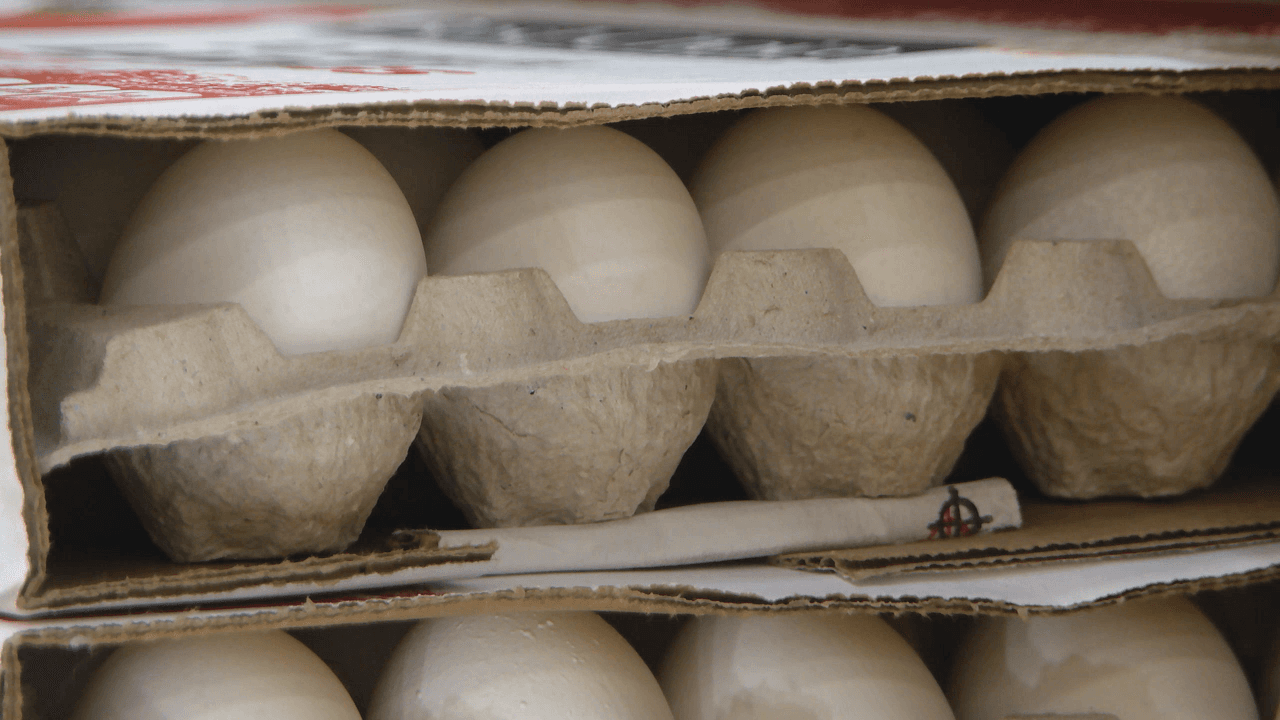
Jonesboro, Ark. — Wholesale egg prices have dropped nearly 28% from last year, falling to an average of about 67 cents per dozen in the second quarter of 2026, according to the U.S. Department of Agriculture (USDA). The prices reflect a significant reduction compared to the height of egg shortages caused by avian influenza.
Industry experts say supplies have rebounded after outbreaks of highly pathogenic avian influenza curtailed production in past years, which has helped push prices back down. However, the market remains volatile, with slight price increases already observed in early July.
Retail consumers have also seen some relief. National retail egg prices dipped just under 1% between May and June, according to USDA data, aligning with the broader trend of reduced wholesale costs.
Local restaurant owner Lane Sullinger of Chef’s Inn commented on the shift while noting that other essentials remain stubbornly expensive.
“I think it’s great that eggs are decreasing and there’s a little bit of stabilization in that market,” Sullinger said. “But we’re still waiting on the rest of the market to go ahead and stabilize and hopefully lower, help everybody out.”
Sullinger pointed to beef, pork, and chicken as staples that haven’t yet followed eggs in becoming more affordable. Many foodservice businesses continue to contend with high prices for these basics.
Egg prices surged dramatically in recent years, spiking over 32% in 2022 and increasing further as production remained constrained. The USDA projects that egg prices will fall by about 30.7% overall for 2026 as supplies stabilize further.
While egg costs have eased, food industry professionals and consumers alike are watching closely for wider price relief in other categories.