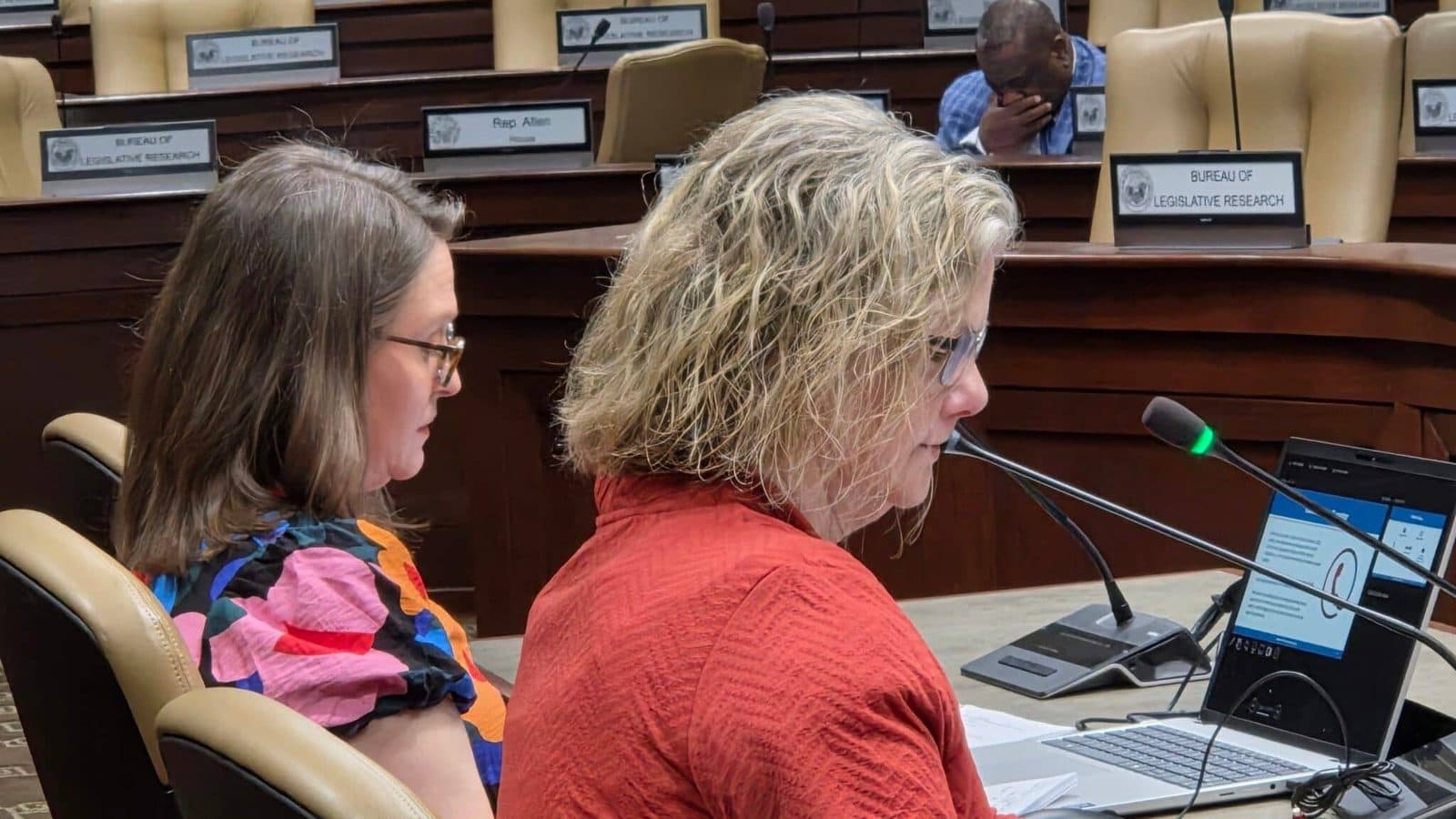
Arkansas Department of Human Services (DHS) Secretary Janet Mann expressed confidence Monday that more than 215,000 individuals enrolled in the state’s Medicaid expansion program, ARHOME, will continue to have coverage despite recent federal challenges.
Speaking before the Arkansas Legislative Council’s Hospital, Medicaid, and Developmental Disabilities Study Subcommittee, Mann said DHS is awaiting a response from the federal Centers for Medicare and Medicaid Services (CMS) on a request for a two-year extension of ARHOME, which stands for Arkansas Health and Opportunity for Me. The request was submitted after CMS denied the state’s proposal to extend the program through 2031.
If approved, the extension would provide a temporary reprieve, allowing DHS to assess potential long-term solutions. "We are considering everything but ending the program," Mann assured lawmakers, noting the agency is evaluating both fee-for-service and managed care models for the program’s enrollees. Each option has various implications, and DHS is compiling a list of pros and cons for consideration, she said.
Without CMS approval for the extension, the state would move ARHOME recipients to fee-for-service Medicaid coverage starting January 1, 2027. Mann acknowledged such a transition would create challenges for both beneficiaries and healthcare providers. "I think it would be disruptive, potentially, to providers and beneficiaries. I’m hoping to avoid a disruption," she said.
Arkansas made history in 2013 as the first Southern state to expand Medicaid under the Affordable Care Act, implementing a unique hybrid model that uses federal funds to purchase private insurance for low-income residents. Nine states still have not expanded Medicaid. Mann highlighted that transitioning to managed care would reduce the 2.5% annual insurance premium tax DHS collects on the ARHOME population, while switching to fee-for-service coverage would eliminate that revenue entirely.
Republican Representative Les Eaves of Searcy questioned whether removing Medicaid expansion recipients from private insurance coverage might impact commercial insurance premiums in the state. Mann noted there could be "a disruption in the marketplace" but said she is awaiting insights from the Arkansas Insurance Department on potential effects.
Healthcare providers and experts have expressed concerns about the financial burden Arkansas hospitals might bear without the Medicaid expansion. Hospitals in the state currently receive some of the lowest reimbursement rates nationwide, according to Mann. Rising costs related to labor, equipment, and administration have led some facilities to reduce services in order to remain operational. Changes to the program could also affect the state’s Medicaid reimbursement structure, including hospitals’ upper payment limit, a key funding mechanism for healthcare providers.
Adding further uncertainty, health insurer Centene recently announced it will withdraw from the Arkansas Medicaid expansion marketplace in 2027, though the decision is not tied to CMS’ denial of the ARHOME extension. The denial stemmed from new federal requirements under last year’s One Big Beautiful Bill Act, which mandates that expansion programs must align with federal budget neutrality guidelines.
Mann noted in a letter to CMS that the state is preparing to implement new work requirements for ARHOME enrollees, in compliance with the federal mandates. These requirements, set to roll out soon, are expected to result in the loss of coverage for thousands of Arkansans. DHS has already started reviewing recipients’ compliance with these rules, providing a 30-day window for individuals to meet the requirements or seek an exemption.
Following the subcommittee meeting, the American Cancer Society Cancer Action Network issued a statement in support of the state’s request for an extension. The organization emphasized the importance of health coverage in improving outcomes for cancer patients, noting that continuity of care is crucial to avoid interruptions in treatment during the transition process.
The Republican-controlled Arkansas Legislature is expected to take up the issue in January during the 2027 legislative session.