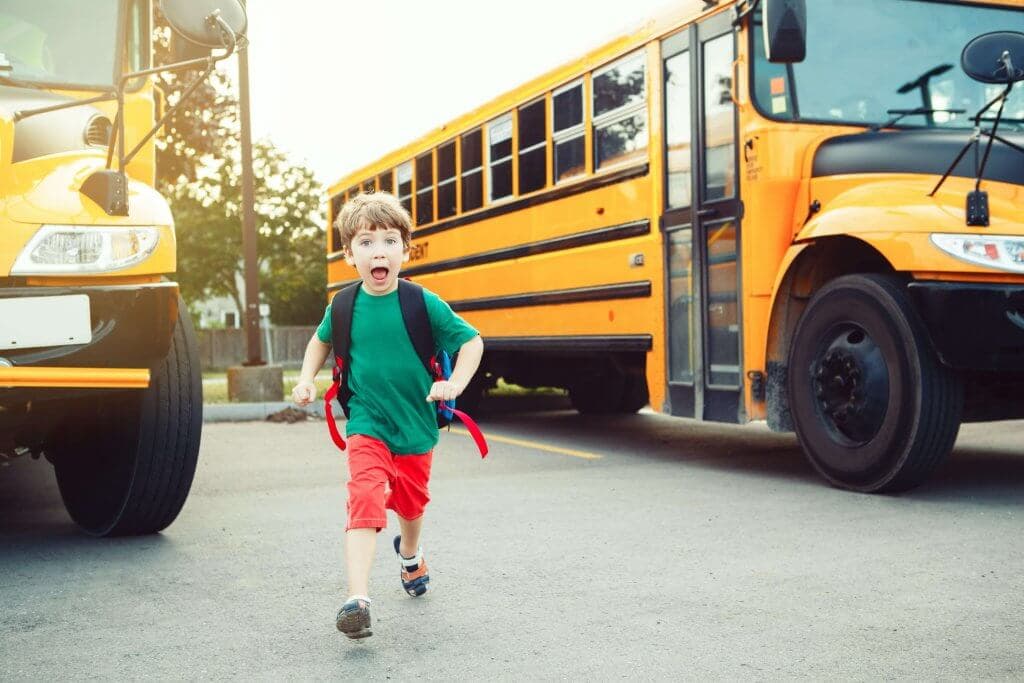
Mountain Home Public Schools will purchase five new buses under the 2026-27 budget, marking a significant increase from the district's usual pace of replacing one or two buses annually. The school board approved the budget during its August 6 meeting, and Superintendent Allyson Dewey noted that the bus purchases would contribute to a projected $800,000 draw on the district’s reserves.
During the budget discussion, a board member questioned whether the bus purchases nearly accounted for the anticipated reserve deficit. Dewey confirmed, explaining that the board had already approved the purchase of five buses in previous sessions, and one of the purchases was only finalized at the end of the prior fiscal year. Dewey emphasized the necessity of these purchases, stating, “We’re hopeful we won’t [require a reserve draw]. But if we had to, that was something that needed to be purchased.”
Historically, the district replaced buses at a much slower pace. Most recently, the board approved a 2025 Collins 28-passenger Chevrolet bus for $105,900 last December to replace a vehicle with over 240,000 miles and mounting mechanical issues. In September 2024, it approved the purchase of two buses: a used 2022 Ford Blue Bird Vision 77-passenger bus with 23,000 miles for $102,900 and a new 2024 Chevy 30-passenger Micro-Bird for $108,335.
The slower replacement rate has drawn criticism in the past. Board President Jason Schmeski noted in December that with a fleet of 52 buses, replacing only two per year results in a 26-year cycle – longer than most vehicles can reliably last. Transportation Director Rose has previously informed the board that the district has sometimes missed out on discounted purchasing opportunities due to delays in securing board approval. To address this, the board authorized Rose in 2025 to spend up to $125,000 on a used 77-passenger bus under 30,000 miles without prior board approval, improving the district’s ability to act quickly on deals.
District buses experience heavy wear, covering roughly 2,000 miles per route. Despite the projected reserve draw, the district has a history of outperforming forecasts. Last year, it budgeted for a $1.2 million reserve draw but ultimately spent well below that amount. District financial officer Harper reported to the board that the current $800,000 projection has already decreased from an initial $1.2 million forecast. As of the end of July, the district’s total fund balance stood at $15.68 million, an increase of approximately $1.1 million from a year earlier.