As the school year begins, a Jonesboro pediatrician is cautioning parents about the risks of heat exhaustion, with heat index values exceeding 100 degrees in some areas. Children at bus stops and on practice fields may be particularly vulnerable to extreme heat, according to Dr. Adam Hurst of the New York Institute of Technology College of Osteopathic Medicine at Arkansas State University.
Dr. Hurst advises parents to take preventive measures by pre-hydrating their children instead of waiting until they are thirsty. Fatigue at the end of the school day, he noted, is not always a sign of a long schedule but can be an early indicator of heat stress or dehydration.
"Extreme heat takes water out of the body," Hurst said. "Kids may become irritable, upset easily, have headaches, or feel fatigued."
He emphasized the importance of seeking immediate medical attention if a child begins breathing heavily, experiences nausea, or shows signs of reduced restroom use.
Hurst also highlighted how clothing choices impact heat levels, recommending light-colored clothing to reduce the absorption of sunlight. He further suggested that children waiting for buses bring portable fans, seek shade, and use sunscreen to stay cool.
Water consumption is critical, according to Hurst, with daily hydration needs depending on age and activity levels. "Elementary-aged children should aim for six to seven cups a day," he said. "Older kids, especially those involved in after-school activities, need even more. And extreme heat makes water intake even more essential."
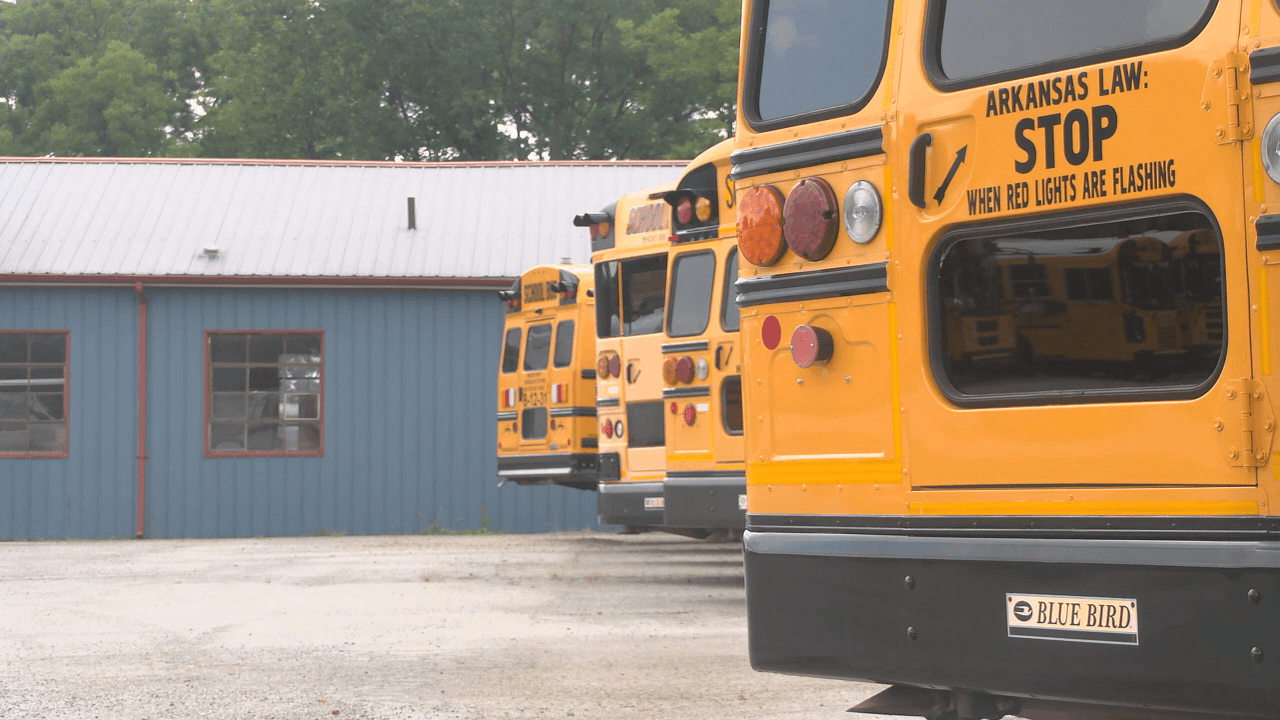
In addition to his recommendations, David Shipman, Transportation Director for the Nettleton School District, noted that while the district’s buses are equipped with air conditioning, the systems cannot cool as rapidly as a personal vehicle. "Stopping to pick up or drop off students lets the heat back in," Shipman explained. On buses without air conditioning, riders must rely on open windows for airflow.
Officials urge parents to prioritize protective measures to help keep children safe during the intense summer heat, particularly during outdoor activities or long periods spent waiting for transportation.